CALL NOW
How can you avoid fatigue on overnight thanksgiving drives?
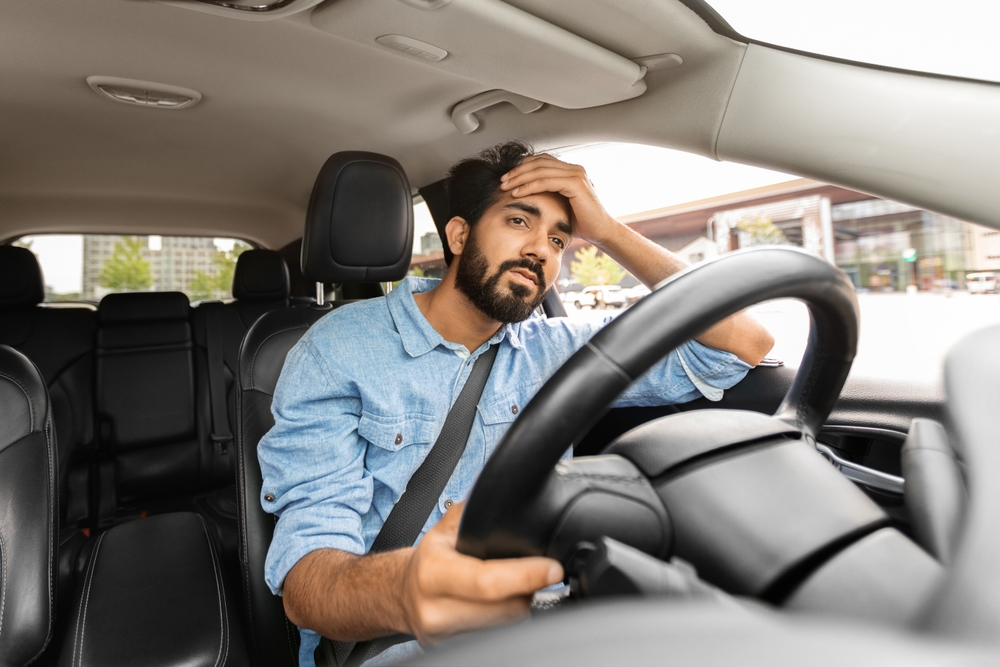
Overnight Thanksgiving drives are common across New Jersey as families head out after work, finish cooking prep, or travel late to avoid heavy holiday traffic. While nighttime travel may seem easier and less crowded, it also comes with a serious risk: driver fatigue. Drowsy driving plays a role in thousands of crashes every year, and overnight holiday travel is one of the times when that risk increases the most. Fortunately, knowing how to recognize driver fatigue and prevent it can help keep you and your loved ones safe on the road.
Why Thanksgiving Overnight Travel Creates a Higher Driver Fatigue Risk
Thanksgiving travel often happens at the end of a long day. Many people take to the highway after working a full shift, preparing meals, or navigating stressful family schedules. By the time drivers hit the road, their bodies may already be tired, making it harder to stay alert during nighttime travel. Darkness also affects visibility and reaction time, especially when combined with cold weather, early sunsets, and busy highways.
Because these conditions overlap, fatigue becomes more common and more dangerous. Staying aware of the risks can help you take steps that reduce your chances of being involved in a crash.
1. Get Rest Before You Leave
Planning ahead gives you a better chance of staying alert during an overnight trip. Try to get at least seven to eight hours of sleep before starting a long drive. If your schedule prevents a full night’s rest, take a short nap in the late afternoon or early evening. Even a twenty-minute nap can help improve alertness and reduce the risk of falling asleep at the wheel.
2. Avoid Leaving Right After a Long Day
If possible, avoid starting your Thanksgiving drive immediately after working, cooking, or spending the entire day preparing for the holiday. Your body may feel more tired than you realize, especially when the excitement of holiday travel wears off. Leaving later in the night or early the next morning may offer safer conditions.
3. Share Driving Responsibilities
If you are traveling with another licensed driver, taking turns behind the wheel can keep both of you more alert. Long stretches of highway driving can become monotonous at night, making it easier to lose focus. Switching drivers every one to two hours helps prevent fatigue and gives your eyes a break from headlight glare and dark roads.
4. Plan Regular Breaks
Overnight drives require more frequent stops. Every ninety minutes to two hours, pull into a rest area or safe location to stretch, walk around, and drink water. Moving your body helps increase blood flow and may prevent drowsiness. Even a short break can help reset your concentration levels.
5. Stay Hydrated and Eat Wisely
Many drivers reach for sugary snacks or caffeine to stay awake, but these choices sometimes lead to energy crashes later. Drinking water and choosing light snacks like fruit or nuts helps maintain steady energy levels. If you do use caffeine, try to pair it with a short break so your body has time to process it before you get back on the road.
6. Keep the Car Cool and Comfortable
Warm, cozy cars make it easier to fall asleep. Keeping the temperature slightly cooler and cracking a window for fresh air can help you stay alert. Adjusting your seat position, turning up the ventilation, or listening to upbeat music can also help fight drowsiness.
7. Watch for Warning Signs of Driver Fatigue
Fatigue often appears gradually, so recognizing early signs is important. Warning signs include:
- Frequent yawning
- Difficulty keeping your eyes open
- Missing exits or turns
- Drifting into another lane
- Feeling restless or irritable
- Losing track of the last few miles
If you notice any of these symptoms, treat them as serious indicators that you need to stop and rest immediately.
8. Avoid Relying on “Tricks” to Stay Awake
Drivers sometimes rely on blasting music, rolling down the windows, or pinching themselves to stay awake. Although these may help momentarily, they do not address the real problem: your body needs rest. If you are feeling sleepy, the safest choice is to pull over and take a short nap. Continuing to drive while fatigued increases your risk of causing a serious crash.
Similar Post: Who’s Responsible If You’re Hit by a Car with Temporary Plates and No Insurance?
9. Understand How Dangerous Drowsy Driving Can Be
Drowsy driving affects your body much like alcohol does. Fatigue slows reaction time, weakens judgment, and reduces your ability to focus. In severe cases, drivers experience “microsleeps,” which are brief, involuntary moments of sleep lasting a few seconds. At highway speeds, even a two-second microsleep can carry a vehicle the length of a football field without the driver realizing it.
Drowsy driving crashes often occur at high speeds, which can lead to severe injuries for everyone involved.
10. Know What to Do If You Are Injured by a Fatigued Driver
Even if you take every precaution, other drivers may not do the same. Fatigued drivers sometimes drift into other lanes, fail to brake in time, or lose control of their vehicles. If you are injured because another driver fell asleep at the wheel or was otherwise fatigued, the steps you take after the crash matter.
Try to:
- Call 911 and report the accident
- Seek medical attention as soon as possible if you are injured
- Photograph the scene, vehicle damage, and any visible injuries
- Collect witness contact information
- Request a copy of the police report
Fatigue-related crashes can be complicated, especially when the other driver denies being tired. A personal injury attorney can investigate what happened, obtain evidence, and determine whether fatigue contributed to the crash.
Why Overnight Holiday Crashes Can Be More Serious
Overnight Thanksgiving travel often involves higher speeds, reduced visibility, and fewer drivers on the road. Fatigue increases the chance of drifting, delayed reactions, and driving off the road completely. Because these crashes frequently occur with little time to brake, injuries may be more severe.
New Jersey highways such as the Garden State Parkway, New Jersey Turnpike, and Route 78 often see heavier-than-usual overnight travel during the holiday week. When drivers combine exhaustion with these conditions, the results can be devastating.
Similar Post: How Should You Prepare for Holiday Traffic if You’re Traveling by Car for Thanksgiving?
Call Team Law After a Thanksgiving Driving Accident in New Jersey
If a fatigued or careless driver caused your injuries during Thanksgiving travel, you do not have to handle the aftermath alone. Team Law can investigate the crash, preserve important evidence, and help you pursue the compensation you deserve.
Contact us today at 1-800-TEAM-LAW for a free consultation so you can focus on recovering while an experienced legal team protects your rights every step of the way. We represent clients throughout New Jersey, including Weehawken, Harrison, and Highland Park.
Disclaimer: This blog is intended for informational purposes only and does not establish an attorney-client relationship. It should not be considered as legal advice. For personalized legal assistance, please consult our team directly.