CALL NOW
How to properly notify your landlord of dangerous apartment conditions
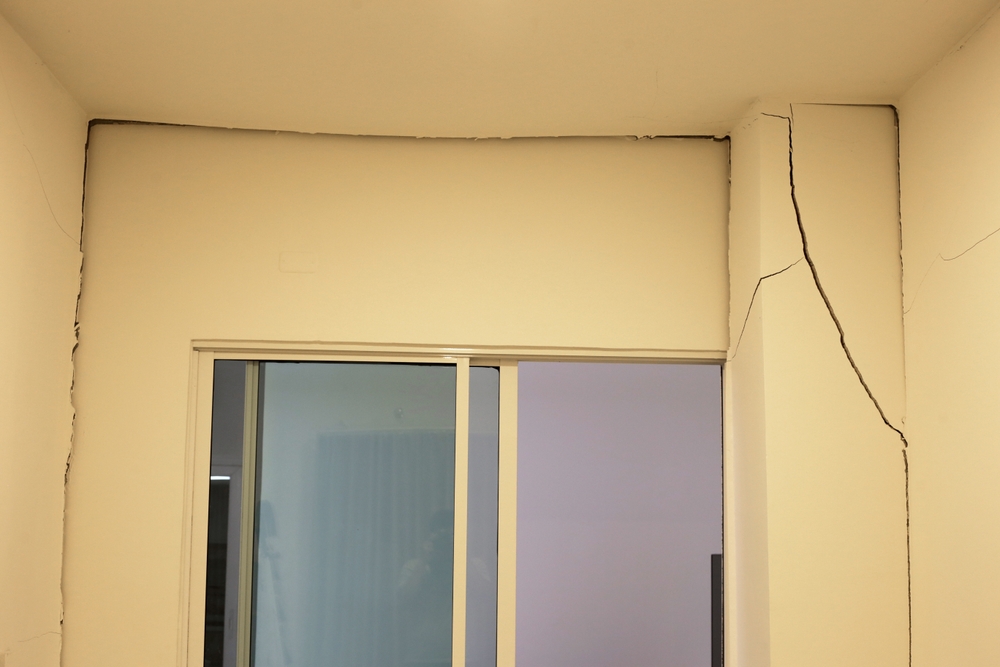
Living in a rental property should provide you with a sense of security and peace of mind. As a tenant in New Jersey, you have a right to a home that is safe, in good condition, and fit for human habitation. When a landlord fails to properly maintain a property, the resulting conditions can range from minor inconveniences to life-threatening hazards. Understanding the proper way to notify your landlord of these issues is the first step in protecting your health and your legal rights. If you are living in a rental property that is improperly maintained and has a dangerous condition, contact our firm today by phone or through our online contact form to schedule a free, confidential consultation.
The law in New Jersey is designed to protect tenants from neglectful property management. However, these protections often rely on the tenant taking specific, documented actions to alert the landlord to a problem within their unit, or in the common areas of the premises. Simply mentioning a leak in passing or sending a casual text message to the superintendent might not be enough to hold a landlord accountable in a court of law. This guide explains the necessary steps to ensure your concerns are documented and your legal position remains strong.
Managing a dangerous housing situation can be incredibly stressful for any individual or family. You may feel like you are at the mercy of a landlord who ignores your requests, but you have more power than you might realize. By following the correct notification procedures, you build a foundation of evidence that can be used if you suffer an injury due to the landlord’s negligence.
Understanding Your Right To A Safe Home In New Jersey
The concept of a safe home is not just a matter of ethics; it is a legal requirement known as the implied warranty of habitability. This warranty is automatically included in every residential lease in New Jersey, even if it is not explicitly written in your contract. It means the landlord promises that the rental unit is a suitable and safe place for you and your family to live, and will remain so throughout the duration of your tenancy.
This legal protection covers essential services and conditions that make a home livable. When these services fail, the landlord is in breach of their legal obligation to you. This breach gives you certain rights, but you must act within the framework of the law to exercise them effectively. The focus of the law is to ensure that residents are not forced to live in substandard conditions that threaten their well-being.
The warranty of habitability is a powerful tool for tenants because it cannot be waived. Even if your lease contains a clause stating that the landlord is not responsible for repairs, such a clause is generally unenforceable under New Jersey law. You are entitled to a habitable and safe home regardless of what the fine print says. This protection serves as the basis for almost all tenant-related legal disputes regarding property conditions.
Identifying Serious Hazards In Your Living Space
Not every minor issue in an apartment qualifies as a breach of the warranty of habitability. Cosmetic problems like peeling paint or a stained carpet are usually not considered dangerous conditions. To trigger your legal remedies, the defect must typically affect a vital facility or pose a genuine threat to your safety or health. Recognizing the difference is important when preparing your notification.
Common examples might include structural issues like a crumbling ceiling, a broken staircase railing, a broken lock, torn carpet, a broken tile, leaking plumbing, or faulty electrical wiring that could cause a shock or spark a fire. These are the types of issues that require immediate attention and formal documentation.
When you identify these types of problems, you should document them immediately with photographs and notes. Taking clear pictures of the hazard provides objective evidence that can be invaluable later. Once you have documented the condition, you must move quickly to provide provable, formal notice to the property owner or management company.
The Importance Of Formal Written Communication
One of the most common mistakes tenants make in properly reporting and documenting hazards is relying on verbal communication to report problems. You might tell the building superintendent about a leaky ceiling or call the landlord to report a broken lock. While this is a logical first step, a phone call leaves no paper trail. If the landlord later claims they never knew about the problem, it becomes your word against theirs.
Formal written notice is the only way to prove that the landlord was aware of the dangerous condition. In New Jersey, the clock for a landlord’s responsibility to repair a defect often does not start until they have received proper notice. This documentation is the cornerstone of any legal claim involving premises liability. It transforms a private conversation into a legal record.
Writing a letter might feel formal or even confrontational, but it is a necessary part of protecting your family. A well-drafted notice shows the landlord that you are serious about your rights and that you are keeping a record of their performance and knowledge of the hazard. This often motivates landlords to take action more quickly than they would for a casual request, and proves that they knew about the hazard before it resulted in an injury to you, a family member or a guest.
Similar Post: What to Do After a Slip and Fall in New Jersey: How to Build a Strong Personal Injury Claim for Maximum Compensation
How To Draft An Effective Notice Letter
Your notice letter should be clear, factual, and professional. Avoid using aggressive language or making threats. Instead, focus on the specific details of the dangerous condition and how it is affects your ability to live safely in the apartment. The goal is to provide the landlord with all the information they need to fix the problem while creating a clear record for your files.
Start by clearly stating the date and your full address, including the apartment number. Describe the problem in detail, noting exactly where it is located and when you first noticed it. If you have already mentioned the issue to a staff member verbally, include that information as well to show a timeline of your attempts to resolve the issue. Be specific about the impact, such as if you are unable to use your kitchen or if a room has become too dangerous for you to safely use.
- Date of letter: The top of the page should clearly show when you wrote the notice.
- Property address: Include the full address of the rental unit to avoid any confusion.
- Description of hazard: Explain the dangerous condition clearly and provide the exact location.
- Previous attempts: List any prior times you reported the issue to the landlord or staff.
- Request for repair: State clearly that you are requesting a prompt and permanent fix.
- Contact information: Provide the best way for the landlord to reach you to schedule the repair.
After you have written the letter, make sure to keep a copy for yourself. Do not give away your only copy of the letter or any accompanying photos. Having an identical copy of what you sent is essential if you ever need to present your case to a judge or an insurance company.
Sending Your Notice Via Certified Mail
How you deliver the notice is just as important as what the notice says. Hand-delivering a letter to a landlord or sliding it under an office door does not provide proof of receipt. If the landlord loses the letter or simply throws it away, you have no way to prove that they ever saw it. This can lead to significant delays in reporting the hazard and could weaken your legal standing.
The gold standard for legal notification in New Jersey is sending a letter via Certified Mail, Return Receipt Requested through the United States Postal Service. This service provides you with a mailing receipt and a green postcard that the landlord or their agent must sign upon delivery. This signature is your proof that the notice reached its destination and that the landlord is now legally responsible for addressing the issue.
- Certified mail: The postal service assigns a tracking number to your letter for verification.
- Return receipt: The green card provides a physical signature as proof of delivery.
- Proof of date: The postmark establishes exactly when you sent the notification.
- Legal weight: Judges in New Jersey recognize certified mail as a valid form of notice.
If you are dealing with an emergency, such as a burst pipe or a collapsed ceiling, you should still call the landlord immediately to get faster action. However, you should follow up that call with a certified letter on the same day. This ensures that even if they respond to your call, you still have the legal protection that comes with documented notice.
Allowing A Reasonable Time For Repairs
Once the landlord receives your notice, they must be given a reasonable amount of time to make the repairs. What qualifies as reasonable depends entirely on the nature of the problem. . A broken window or a leaky faucet might allow for a few days of lead time, while a broken staircase would require a faster response time.
You should maintain a log of any communication that happens after you send the letter. If a repair person comes but fails to fix the problem, write down the date and what happened. If the landlord calls to discuss the letter, make a note of the conversation. These details help demonstrate that you have been cooperative and that the landlord has failed to meet their obligation.
The Role Of Local Code Enforcement And Health Departments
You do not have to fight for a safe home entirely on your own. Most municipalities in New Jersey have local building inspectors and health departments that are responsible for enforcing housing codes. If a landlord refuses to fix a dangerous condition, you can request an official inspection of your apartment.
When a government inspector finds a violation, they will issue a formal report and order the landlord to correct the problem within a set timeframe. They may also issue fines if the landlord fails to comply. This provides an independent, authoritative record of the dangerous condition. Having an official government report can be very persuasive in court or during negotiations with a landlord’s insurance company.
- Official inspections: Inspectors provide an unbiased assessment of the property’s safety.
- Violation notices: The city can legally compel a landlord to make repairs through fines.
- Public records: These reports are permanent records that can serve as evidence in a lawsuit.
- Health hazards: Local health departments are especially helpful for issues like mold or sewage leaks.
After an inspection, always ask for a copy of the written report. If the inspector finds multiple violations, this creates a strong paper trail that demonstrates a pattern of neglect by the landlord.
Similar Post: What Should I Do Immediately After a Slip and Fall Accident in NJ?
Seeking Legal Guidance With Team Law When A Dangerous Condition That The Landlord Had Provable Notice Of Leads To An Injury
Dealing with a landlord who ignored dangerous conditions that you had provided provable Notice of and which led to an accident which resulted in an injury is more than just a housing dispute, it is a matter of personal safety. When property owners prioritize profits over the well-being of their tenants, the results can be catastrophic. If you have followed the steps to notify your landlord and someone in your home has been hurt, it is time to seek professional assistance.
A personal injury attorney can help you navigate the complexities of premises liability law. They can review your documentation and help you pursue the compensation you deserve if you have suffered losses or injuries.
Protecting your rights requires a proactive approach and a clear understanding of the law. By documenting the hazards, providing formal notice, and keeping detailed records, you put yourself in the best possible position to successfully pursue legal action and proper compensation if you are injured by the landlord’s failure to correct dangerous conditions you have provably notified them of. If you have the evidence necessary to hold them responsible for their negligence call Team Law now at 1-800-TEAM-LAW or reach out through our online contact form to speak with an attorney and learn how we can help protect your rights. We represent clients throughout New Jersey, including Clark, Elizabeth, and Newark.
Disclaimer: This blog is intended for informational purposes only and does not establish an attorney-client relationship. It should not be considered as legal advice. For personalized legal assistance, please consult our team directly.