CALL NOW
Sports eye injuries in youth athletes: who is liable when schools skip safety gear?
By Team Law
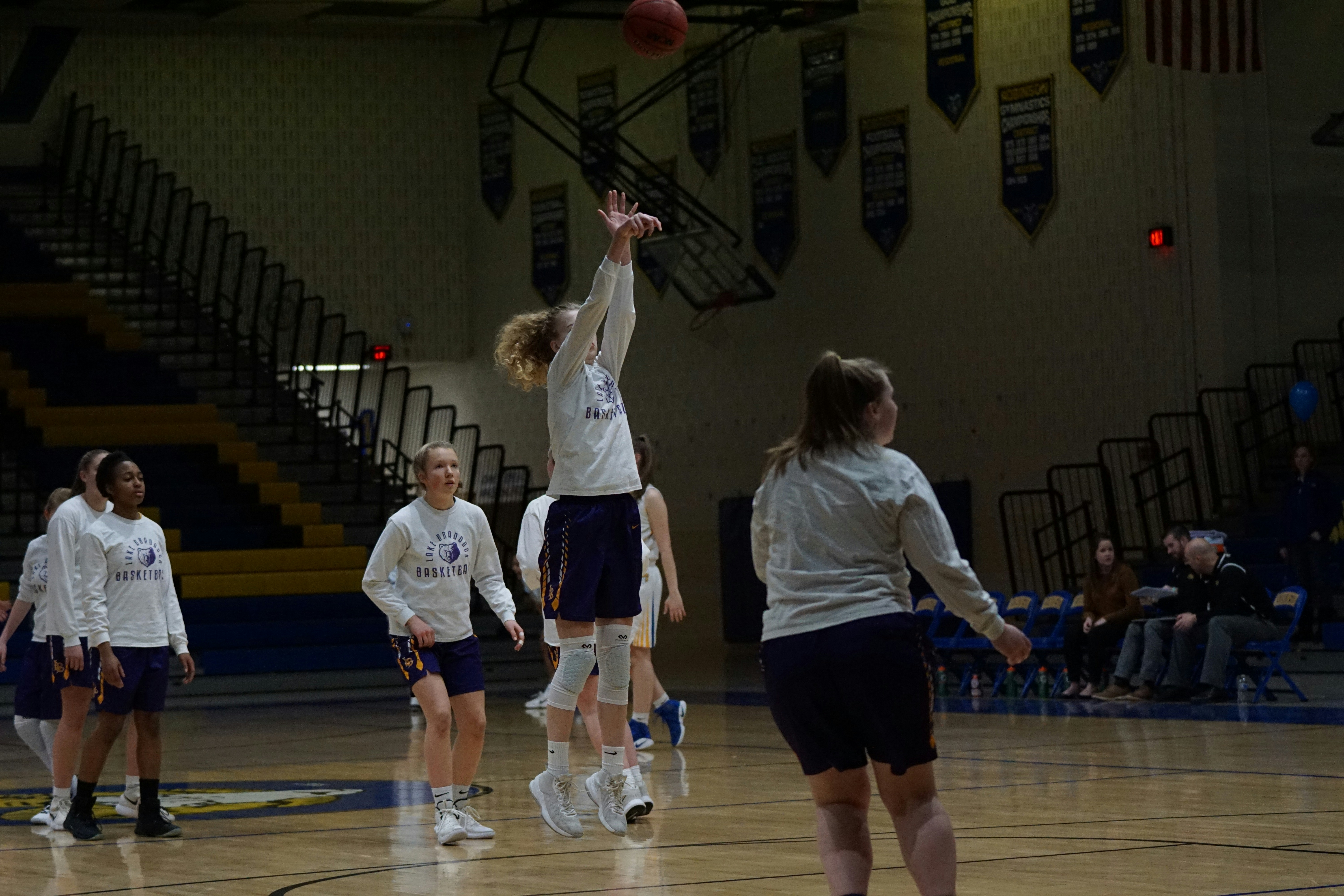
Across New Jersey, young athletes take to basketball courts, baseball fields, and lacrosse fields throughout the year. Most parents worry about a twisted ankle, a concussion, or a hard tackle. Far fewer think about their child’s eyes, even though sports-related eye injuries send nearly 30,000 people of all ages to emergency rooms across the country each year. Many of these injuries are preventable with appropriate protective eyewear.
What stings most is how preventable these injuries are. Eye doctors estimate that the large majority of serious sports eye injuries could be stopped with proper protective eyewear. When a school, coach, or league leaves that gear out of the equation, a routine game can end in a scratched cornea, a detached retina, or permanent vision loss for a child who trusted the adults around them.
This article looks at how these injuries happen, who may be legally responsible when safety gear is skipped, and whether the permission form you signed at the start of the season actually changes anything. If your child has already been hurt, you can talk it through with Team Law today by calling 1-800-TEAM-LAW or reaching out through the online contact form on our website. The consultation is free.
Youth Sports Eye Injuries: How Serious And How Preventable Are They Really?
The numbers are hard to ignore. Roughly 30,000 sports-related eye injuries are treated in United States emergency rooms each year, and a large share of them involve children and teens. Eye injuries can cause permanent vision problems in children, and sports are an important source of preventable eye trauma.
Certain activities carry more risk than others, which matters when you are judging whether the right precautions were taken. Some sports and recreational activities carry particularly serious eye injury risks, including:
- Basketball: Fingers and elbows near the eyes make it the top cause of sports eye injuries
- Baseball and softball: A pitched or batted ball can strike the face at dangerous speed
- Racquet sports: Squash and racquetball send small, fast objects toward the eyes in tight spaces
- Hockey and lacrosse: Sticks, pucks, and balls create constant risk without face protection
Here is the encouraging part. Eye safety organizations estimate that appropriate protective eyewear could prevent most sports-related eye injuries. Although missing safety equipment does not automatically establish negligence, it can become important evidence when determining whether a school, coach, or athletic program failed to take reasonable precautions.
The Safety Gear Standard: When Does Skipping Protective Eyewear Become Negligence?
Providing a safe environment is not a favor that coaches and programs do for young athletes. It is a duty. Medical recommendations, applicable safety standards, and sport-specific equipment rules can all help establish what precautions a school or athletic program should reasonably take.
New Jersey has specific safety requirements for young athletes who wear prescription glasses. Under N.J.S.A. 5:18-1, children who wear corrective eyeglasses must use protective eyewear meeting designated ASTM and ANSI standards when participating in certain school-, community-, or government-sponsored sports, including basketball, baseball and softball. Other sports may have additional equipment requirements under their governing rules.
When a school or athletic program ignores an applicable safety requirement, that failure may support a negligence claim if the missing protection contributed to a child’s injury. However, not every sports eye injury establishes negligence. The circumstances, applicable safety rules, and whether reasonable precautions could have prevented the injury all matter.
School And Coach Responsibility: Can A New Jersey School Be Liable For A Sports Eye Injury?
New Jersey schools and their staff owe students reasonable supervision and safe conditions during athletic activities. Although participating in sports naturally involves some risk of injury, coaches must exercise reasonable care when supervising student-athletes. A coach who disregards a known hazard, a district that neglects equipment, or an athletic program that skips required safeguards can potentially be held responsible when a child is hurt as a result.
That said, suing a public school district is not like suing a private business. Public entities in New Jersey are shielded by the Tort Claims Act, which limits when they can be sued and protects certain discretionary decisions from liability altogether. Two features tend to surprise families the most:
- The notice requirement: Adults generally must file a formal notice of claim within 90 days, but injured minors typically have until 90 days after their 18th birthday. Different deadlines may apply to certain claims brought by parents.
- The injury threshold: Recovering damages for pain and suffering against a public entity generally requires a qualifying permanent injury and medical treatment expenses exceeding $3,600. Serious, lasting vision loss may meet these requirements, depending on the circumstances.
Private schools and independent clubs do not enjoy the same government protections, so the path to accountability can look different depending on who was running the show. Sorting out which rules apply is one of the first things a lawyer will do, and it can determine whether a claim moves forward at all.
More Than The School: Which Other Parties Could Share The Blame?
Focusing only on the school can mean overlooking others whose choices contributed to the injury. Depending on how your child was hurt, responsibility may extend beyond the athletic program. A defective helmet cage or eye guard could support a product liability claim against the manufacturer, while a privately run travel league or tournament organizer may bear responsibility for failing to follow applicable safety requirements.
However, New Jersey law also provides certain protections for qualified volunteer coaches working with nonprofit youth sports programs. Under N.J.S.A. 2A:62A-6, eligible volunteers may have immunity from ordinary negligence claims, although that protection has important exceptions.
Determining who may be responsible requires looking at the type of athletic program, the equipment involved, and the circumstances surrounding your child’s injury. A lawyer can evaluate potential claims and identify available sources of insurance coverage.
Acting In Time: What Deadlines Do New Jersey Families Need To Know?
New Jersey generally gives injured adults two years to file a personal injury lawsuit. However, children have additional protections under state law. For most personal injury claims, the statute of limitations does not begin running until the child turns 18, giving them until their 20th birthday to file a lawsuit.
Claims against public schools also involve special rules under the New Jersey Tort Claims Act. Although adults generally must notify a public entity of their claim within 90 days, injured minors typically have until 90 days after their 18th birthday to provide that notice. Different deadlines may apply to certain claims brought by parents or other injured parties.
Even with these extended deadlines, waiting can make it harder to establish what happened. Schools may lose surveillance footage, witnesses may forget important details, and athletic equipment may disappear. Speaking with a New Jersey youth sports injury lawyer early can help families preserve evidence, identify responsible parties, and understand their legal options.
What New Jersey Parents Ask After A Youth Sports Eye Injury
Who is liable when a school skips required eye protection?
It depends on the facts, but a school, coach, athletic program, equipment maker, or private league may share responsibility when a preventable sports eye injury results from missing or inadequate safety gear. A review of what happened is the only way to know for certain.
What evidence should parents preserve after a youth sports eye injury?
Keep photographs of the injury, damaged protective eyewear, medical records, and any incident reports from the school or athletic program. Witness information, communications with coaches, and copies of applicable safety policies may also help establish what happened.
What does it cost to talk to a personal injury lawyer?
Nothing upfront. Team Law offers a free consultation, and you can call 1-800-TEAM-LAW or use the online contact form on our website to have your child’s case reviewed.
Talk With A New Jersey Youth Sports Injury Lawyer
No parent hands their child to a coach expecting to spend the season in an ophthalmologist’s waiting room. When a preventable sports eye injury happens because the adults in charge skipped basic protection, you are allowed to ask who should answer for it, and you do not have to figure out the answer by yourself.
Team Law stands up for injured kids and their families throughout New Jersey, from the gyms and ballfields of Newark and Trenton to programs across Bergen County, Monmouth County, and the shore towns. We will look at how the injury happened, explain whether a claim makes sense, and take on the schools, insurers, and deadlines so you can keep your attention where it belongs, on your child. Call 1-800-TEAM-LAW or use the online contact form on our website to get started. There is no cost to ask, and no obligation to continue.
Disclaimer: This blog is intended for informational purposes only and does not establish an attorney-client relationship. It should not be considered as legal advice. For personalized legal assistance, please consult our team directly.