CALL NOW
What happens if you’re injured in a crash caused by a driver experiencing a medical emergency?
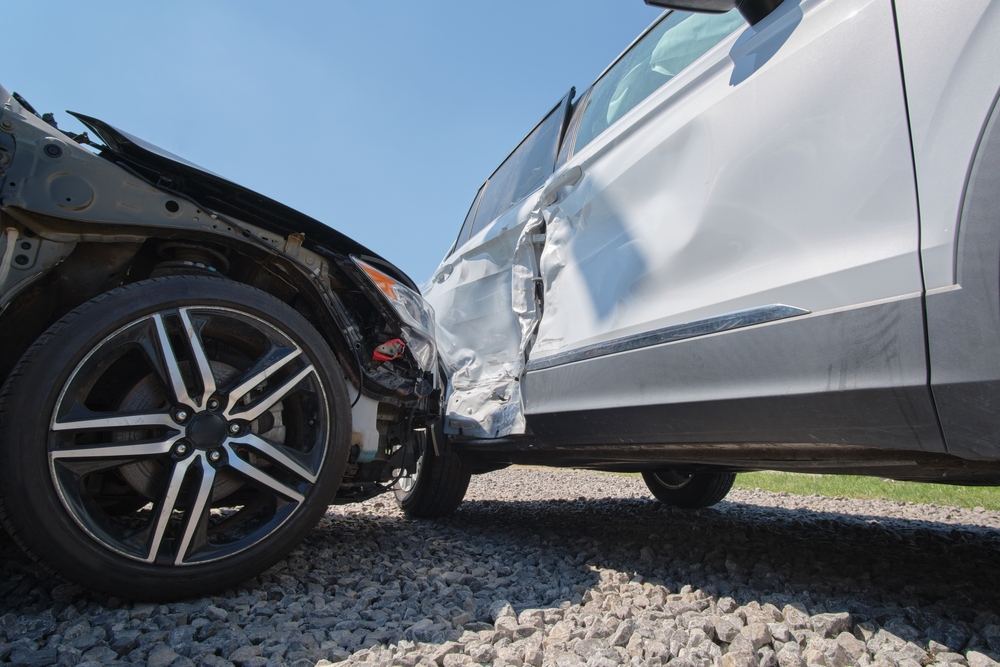
Car accidents are often caused by speeding, distraction, or reckless driving. But what happens if the driver who hit you wasn’t texting or breaking the law, but instead suffered a sudden medical emergency? What happens if you’re injured in a crash caused by a driver experiencing a medical emergency? In New Jersey, these cases can be complicated because the law treats sudden medical conditions differently than ordinary negligence. That doesn’t mean you’re without options. Let’s take a closer look at how these claims work and what you can do to protect yourself.
The “Sudden Medical Emergency” Defense
When someone suffers a heart attack, seizure, fainting spell, or stroke while behind the wheel, they may lose control of their vehicle. If a crash results, the driver (or their insurance company) may claim the “sudden medical emergency” defense.
This defense essentially argues:
- The medical episode was unforeseen and sudden.
- The driver could not have prevented the crash.
- Because of that, the driver should not be considered negligent.
New Jersey courts recognize this defense under certain conditions. But it doesn’t mean every crash caused by a medical problem is excused.
When the Defense Applies and When It Doesn’t
For the sudden medical emergency defense to work, the driver must show that the event was truly unexpected and that they had no prior warning. For example:
- A driver who suffers their first-ever seizure without prior medical history may qualify.
- A driver who has been told not to drive due to a heart condition and does so anyway likely won’t qualify.
Key factors include:
- Medical history: Did the driver know they had a condition that could cause an episode?
- Doctor’s advice: Had they been warned not to drive or to take precautions?
- Medication compliance: Were they taking their prescribed medications as directed?
- Timing: Did they ignore warning signs, such as dizziness or chest pain, before getting behind the wheel?
In other words, if the medical event could reasonably have been anticipated, the driver (and their insurance) may still be held liable.
Proving Negligence in a Medical Emergency Crash
Even in these complex cases, there are ways to pursue compensation. Proving negligence may involve:
- Reviewing medical records: Did the driver have a documented condition that made driving risky?
- Checking prescriptions: Was the driver taking medications with warnings against operating vehicles?
- Investigating behavior before the crash: Did the driver feel symptoms but choose to drive anyway?
- Looking at driving history: Has the driver been involved in similar incidents before?
These details matter because they can show whether the accident was truly unavoidable or whether it resulted from poor judgment.
Similar Post: Proving Fault in Car Accidents: Key Factors in New Jersey Personal Injury Cases
Insurance Coverage in Medical Emergency Accidents
Even if the driver is not found legally negligent, insurance coverage is still available.
- Personal Injury Protection (PIP): New Jersey is a no-fault state, meaning your own PIP coverage pays for your medical bills regardless of who caused the crash.
- Other available policies: If the driver’s negligence can be proven, their liability insurance may cover damages beyond your PIP limits if your treatment costs are greater than the limits of your PIP coverage.
- Uninsured/Underinsured coverage: If the driver’s policy limits aren’t enough, your own insurance may provide additional protection.
This is why speaking with a personal injury attorney early is important, as insurance companies may try to deny or minimize claims by leaning heavily on the sudden emergency defense.
What Compensation Could You Recover?
If you were injured in a crash caused by a driver experiencing a medical emergency, you may be entitled to compensation for:
- Medical expenses: ER visits, surgeries, medications, rehabilitation, and future care that exceed your personal PIP insurance policy limits of coverage.
- Lost wages: If your injuries keep you out of work temporarily or permanently.
- Pain and suffering: Compensation for the physical and emotional toll of the accident.
- Property damage: Repairs or replacement of your vehicle.
- Long-term damages: If your injuries affect your ability to work or enjoy life.
Every case is different, but the goal is to ensure you are not left carrying the financial burden of an accident you did not cause.
Steps to Take After the Crash
If you’re hurt in this type of accident, the actions you take immediately can strengthen your case:
- Call 911 and get medical help. Your health is the top priority.
- Document the scene. Take photos of the vehicles, road conditions, and any visible injuries.
- Gather witness information. Statements from others can help confirm what happened.
- Get a copy of the police report. It may include important details about the cause of the crash.
- Avoid giving statements to insurance adjusters without a lawyer. They may try to use your words against you.
- Contact an experienced attorney. These cases involve both medical and legal complexities that require skilled handling.
Similar Post: Is That Pain Normal? Common Car Accident Injuries You Should Never Ignore
Why These Cases Are So Complex
Unlike a typical car accident, a crash caused by a medical emergency blurs the line between an unavoidable event and preventable negligence. Insurance companies often argue that their driver had no control, which can leave victims struggling to secure compensation.
Having a lawyer on your side means you don’t have to navigate these challenges alone. Attorneys can subpoena medical records, question doctors, and bring in accident reconstruction experts to build a strong case.
What Happens If You’re Injured in a Crash Caused by a Driver Experiencing a Medical Emergency?
The bottom line is that you still have legal options. Even if the at-fault driver claims the accident was unavoidable, you may be able to prove otherwise. And regardless of fault, your insurance coverage can help with your medical expenses. The key is acting quickly, preserving evidence, and getting professional legal advice.
Call Team Law for Help After a Medical Emergency Crash
If you’ve been injured in a crash caused by a driver experiencing a medical emergency, you don’t have to face the aftermath alone. At Team Law, we understand how overwhelming these cases can be. Our attorneys know how to challenge the sudden medical emergency defense and pursue every possible source of compensation on your behalf.
We will carefully review the facts of your case, investigate the driver’s medical history if necessary, and fight the insurance companies that may try to deny your claim. With decades of experience serving New Jersey clients, Team Law has the knowledge, resources, and dedication to get results.
Call us at 1-800-TEAM-LAW or fill out our online contact form today for a free, confidential consultation. We’re here to listen to your story, explain your legal rights, and help you build a path forward. Whether it’s negotiating with insurers or representing you in court, Team Law is committed to protecting your future after a serious accident. We work with residents of Fort Lee, Belleville, East Brunswick, and throughout New Jersey.
Disclaimer: This blog is intended for informational purposes only and does not establish an attorney-client relationship. It should not be considered as legal advice. For personalized legal assistance, please consult our team directly.