CALL NOW
What warning signs indicate nursing home neglect in new jersey?
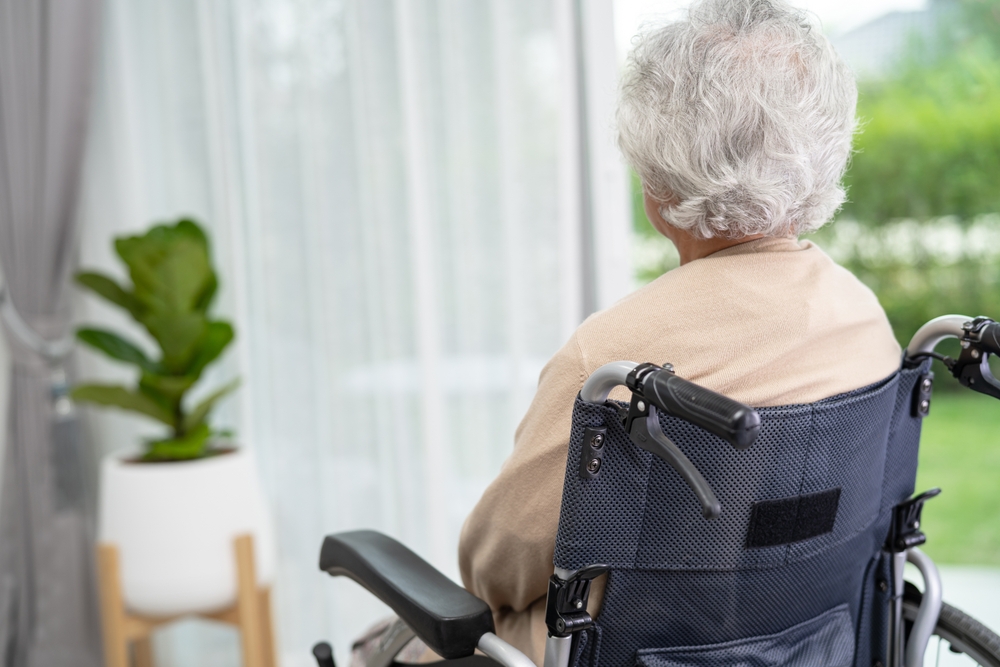
Placing a loved one in a nursing home is one of the most difficult decisions a family can make. You trust the facility to provide compassionate, professional care. Unfortunately, not every nursing home in New Jersey meets the standard residents deserve. Neglect remains a serious and widespread problem, leading families to ask: What warning signs indicate nursing home neglect in New Jersey?
The truth is that neglect can be subtle at first but devastating if ignored. Knowing the red flags can help you protect your loved one’s health, dignity, and legal rights.
Understanding Nursing Home Neglect
Nursing home neglect occurs when a facility fails to provide the basic care necessary to meet a resident’s physical, emotional, or medical needs. Unlike abuse, which involves intentional harm, neglect often arises from understaffing, poor training, or systemic indifference.
Under New Jersey law, nursing homes have a duty to provide adequate food, shelter, hygiene, medical treatment, and safety for residents. Failing to do so may result in legal liability.
Physical Warning Signs of Neglect
Family members visiting nursing homes should pay close attention to a resident’s physical condition. Indicators of neglect may include:
1. Bedsores (Pressure Ulcers)
Bedsores develop when immobile patients are not repositioned regularly. They can quickly become infected and lead to life-threatening complications.
2. Poor Personal Hygiene
Unkempt hair, dirty clothing, body odor, or unchanged bedding may signal staff neglecting basic hygiene tasks.
3. Unexplained Weight Loss
Rapid or unexplained weight loss may mean residents are not receiving enough food or are being denied necessary dietary accommodations.
4. Dehydration
Dry mouth, sunken eyes, or unusual fatigue can point to inadequate hydration. Dehydration is one of the most common forms of nursing home neglect.
5. Untreated Medical Conditions
Missed medications, untreated infections, or worsening chronic conditions may show that medical staff are not providing proper attention.
Environmental Warning Signs
Neglect often appears not just in residents’ health, but also in the nursing home environment itself. Warning signs include:
- Dirty or cluttered common areas that create trip hazards.
- Strong odors of urine or feces indicating infrequent cleaning.
- Broken equipment such as wheelchairs or call buttons left unrepaired.
- Insufficient staffing visible during visits, with too few employees attending to numerous residents.
- Poor security or lack of supervision, leading to wandering or elopement of vulnerable residents.
If the environment looks chaotic, unsafe, or unhygienic, residents are likely at risk.
Emotional and Behavioral Warning Signs
Neglect affects more than physical health. Emotional harm can be just as damaging. Look for changes in your loved one’s demeanor, including:
- Withdrawal or depression after previously enjoying visits or activities.
- Sudden fearfulness around certain staff members.
- Unexplained agitation, anxiety, or mood swings.
- Loss of interest in hobbies, socializing, or meals.
- Refusal to speak about life inside the facility.
These changes may indicate neglect, isolation, or even deeper issues like abuse.
Signs of Neglect in Daily Care
Day-to-day neglect can also show up in small but important details:
- Missed medical appointments or delays in seeing doctors.
- Empty water cups or trays left untouched without staff assistance.
- Long wait times after residents press call buttons.
- Inadequate clothing for the season, such as residents shivering without sweaters.
- Unexplained injuries from falls due to lack of supervision.
Each of these seemingly minor issues can add up to systemic neglect.
Why Neglect Happens
Many nursing homes are understaffed, and employees are stretched thin. High turnover, lack of training, and cost-cutting by management can contribute to neglect. While these systemic issues explain why neglect occurs, they do not excuse it. Facilities that accept residents have a legal duty to ensure safe staffing levels and proper care.
Legal Rights of Nursing Home Residents in New Jersey
New Jersey’s Nursing Home Residents’ Bill of Rights ensures residents receive adequate and appropriate care. This includes the right to:
- Be treated with dignity and respect
- Receive proper medical care and medications
- Live in a safe, clean environment
- Have access to adequate nutrition and hydration
- Be free from neglect and abuse
When facilities fail to uphold these rights, families may pursue legal claims for negligence, malpractice, or wrongful death.
Similar Post: How a Lawyer Can Help When Your Loved One Suffers Nursing Home Abuse in New Jersey
What Families Should Do If They Suspect Neglect
If you see warning signs, take immediate action:
- Document everything. Take photos, write notes, and keep a log of your concerns.
- Report concerns to management. Ask for written explanations and follow up on responses.
- Request medical evaluations. Ensure a doctor assesses your loved one’s condition.
- File a complaint. Report issues to the New Jersey Department of Health or the New Jersey Long-Term Care Ombudsman.
- Consult an attorney. A nursing home neglect attorney can investigate, preserve evidence, and take legal action.
Acting quickly can prevent further harm and help hold negligent facilities accountable.
Potential Legal Claims
Depending on the circumstances, families may pursue:
- Negligence claims for failing to provide adequate care.
- Medical malpractice claims if staff errors cause injury or death.
- Wrongful death lawsuits if neglect results in a fatality.
Compensation may cover medical expenses, pain and suffering, relocation costs, and in severe cases, punitive damages.
Why Legal Representation Matters
Nursing homes and their insurers often deny neglect and shift blame onto residents’ health conditions. They may claim weight loss, falls, or infections were unavoidable. An experienced attorney can counter these arguments by:
- Reviewing medical records for missed treatments
- Interviewing staff and residents
- Consulting medical experts to show what proper care should look like
- Gathering evidence of staffing shortages, budget cuts, or inspection violations
With strong legal representation, families can level the playing field against powerful corporations.
Similar Post: How to Choose the Right Personal Injury Lawyer in New Jersey: 7 Essential Questions to Ask
If You Believe Your Loved One Suffered Nursing Home Abuse or Neglect, Call Team Law For Help
If you believe your loved one is showing signs of nursing home neglect in New Jersey, don’t wait. At Team Law, we understand how heartbreaking it is to see a family member suffer in a place that should protect them.
Our personal injury attorneys have decades of experience holding nursing homes accountable and fighting for the rights of vulnerable residents. We will investigate, build a strong case, and pursue the compensation your family deserves.
Contact us today at 732-896-2560 for a free, confidential consultation. With offices across New Jersey, Team Law is here to protect your loved one’s rights and bring you peace of mind.
Disclaimer: This blog is intended for informational purposes only and does not establish an attorney-client relationship. It should not be considered as legal advice. For personalized legal assistance, please consult our team directly.