CALL NOW
Why your commute feels different after daylight saving time and how it can lead to car accidents
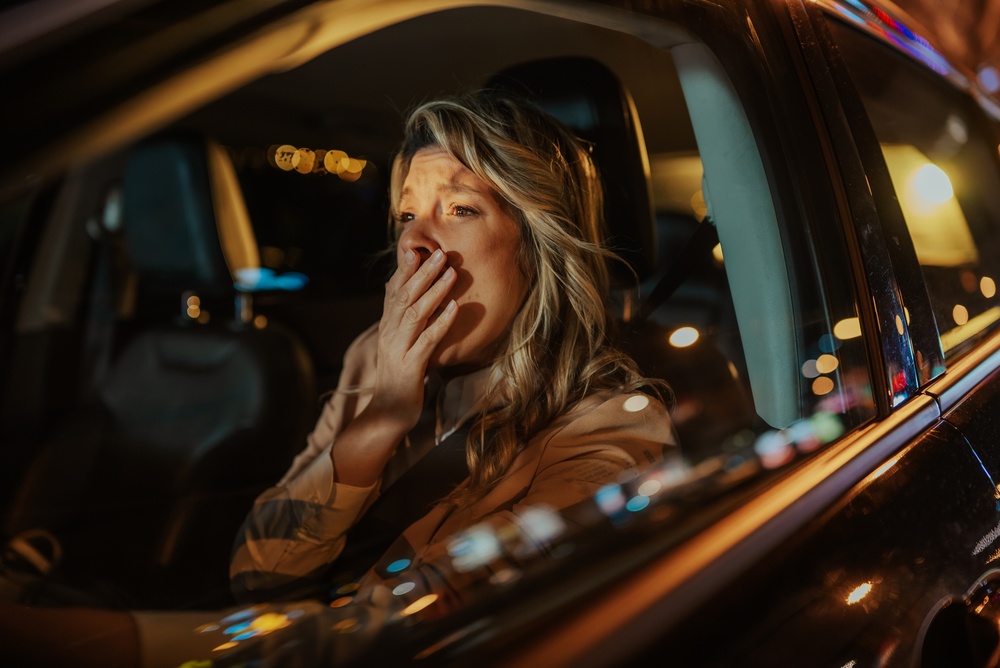
You know that feeling when the clock changes and your whole morning feels a little off? You leave the house at the same time, take the same roads, and follow the same routine, but somehow the drive feels heavier, darker, and more annoying than usual. If you are driving through Newark, Jersey City, Elizabeth, Clark, or along the New Jersey Turnpike, Garden State Parkway, Route 1 and 9, or I-78, that shift can feel even more noticeable because those are already busy commuter corridors.
That strange feeling is not all in your head. Right after daylight saving time begins, many drivers are dealing with less sleep, a disrupted body clock, and a commute that suddenly feels out of sync. Research has linked the spring clock change to a short-term increase in fatal crashes, with the strongest effects showing up around the morning commute. Drowsy driving is also a recognized crash risk, especially when people are short on sleep.
If you were hurt in a crash during this time of year, call Team Law at 1-800-TEAM-LAW or fill out our online contact form. We can talk through what happened, explain your options, and help you figure out what comes next.
Why Does Your Commute Feel Different After Daylight Saving Time?: How The Spring Clock Change Affects New Jersey Drivers
When daylight saving time starts, you do not just lose an hour on paper. You feel it in real life. You may wake up groggy, move more slowly through your routine, and get on the road feeling like your brain has not fully caught up yet.
That matters in New Jersey because your commute is rarely simple to begin with. Maybe you are merging onto Route 22 before sunrise. Maybe you are crawling past the Pulaski Skyway, heading toward Newark Airport, or trying to beat traffic on the Turnpike near Exit 13. A small drop in alertness can make a big difference when traffic is already dense and fast-moving.
In other words, the clock change can turn an ordinary drive into one where people brake late, miss blind spots, drift in their lane, or react a second too slowly.
Similar Post: Is That Pain Normal? Common Car Accident Injuries You Should Never Ignore
Daylight Saving Time Car Accidents: Why Losing One Hour Of Sleep Can Raise Crash Risk
Most people think one hour is not a big deal. Behind the wheel, it can be.
That lost hour can affect concentration, reaction time, patience, and judgment. You may not fall asleep at the wheel, but you may still drive while tired enough to make mistakes. That is where trouble starts.
For example, a driver who is more fatigued than usual may:
- Follow too closely in stop and go traffic
- Miss a red light changing near an intersection
- Overcorrect during a sudden merge
- Look at a phone or GPS for a second too long
- Fail to notice a pedestrian or cyclist early enough
That is one reason daylight saving time car accidents often involve common commuter crashes like rear-end collisions, sideswipes, and intersection wrecks. When everybody around you is adjusting at the same time, the roads can feel more unpredictable.
Drowsy Driving After The Time Change: What Should You Watch For On Your Morning Drive?
A lot of drivers picture drowsy driving as someone nodding off late at night. However, it can also show up during a normal weekday commute right after the time change.
You might be dealing with drowsy driving if you notice:
- Trouble focusing on the road ahead
- Missing exits or turns you usually know well
- Drifting between lanes
- Feeling irritated or mentally foggy
- Realizing you do not remember the last few miles clearly
If that sounds familiar, your body may still be fighting the time shift. That is especially important if you are driving before full daylight or making a long commute through Union County, Essex County, or Hudson County.
The problem is not just your own fatigue. You also have to share the road with other drivers who may be just as tired, just as distracted, and just as rushed.
New Jersey Car Accident Risks After Daylight Saving Time: Where Commuters May Notice The Danger Most
New Jersey drivers deal with congestion every day, but some roads feel even tougher after the spring clock changes.
Think about the kinds of places where one tired decision can cause a chain reaction:
- The New Jersey Turnpike during early rush hour
- The Garden State Parkway during heavy merge traffic
- Route 1 and 9 around industrial and airport traffic
- I-78 heading into Newark
- Local roads near train stations, schools, and downtown business districts
These are the kinds of areas where people change lanes quickly, stop suddenly, or push through yellow lights because they are late. Add darker-feeling mornings, sleep disruption, and packed commuter traffic, and the risk goes up.
That does not mean a crash is inevitable. It does mean this is the time of year to drive like the person next to you may be more tired than they realize.
How Can You Avoid A Car Accident After Daylight Saving Time?: Safety Tips For New Jersey Drivers
If you are trying to protect yourself during the first week or two after the time change, small habits can help.
Try to:
- Leave a little earlier so you do not feel rushed
- Put extra space between your car and the one ahead of you
- Avoid scrolling at red lights or in slow traffic
- Double-check blind spots before every lane change
- Slow down in merge zones and around exits
- Get more sleep the night before when possible
Use NJ 511 or traffic alerts before heading out to spot delays or incidents
The goal is simple. Give yourself more time, more space, and more margin for error.
That matters even more if you are driving with kids, commuting in bad weather, or traveling on roads where traffic patterns change quickly.
What Should You Do After A New Jersey Car Accident?: Steps That Can Protect Your Health And Claim
Even if you do everything right, another driver may still cause a crash.
If that happens, the steps you take afterward can matter a lot. Try to:
- Call 911 if anyone is hurt
- If you are injured get medical care as soon as possible
- Take photos of the vehicles, roadway, and visible injuries
- Exchange information with the other driver
- Speak carefully with insurance companies
- Avoid guessing about fault at the scene
- Keep records of treatment, missed work, and expenses
This part is important because some injuries do not fully show up right away. Whiplash, back injuries, shoulder injuries, and even concussion symptoms can feel worse hours or days later. Getting checked out if you are injured helps protect both your health and your case.
Similar Post: You Pay For Car Insurance Every Month. But Would It Actually Protect You In A Serious Crash?
New Jersey Car Accident Lawyer: How Team Law Can Help After A Crash During Daylight Saving Time
After a car accident, most people are not thinking about legal strategy. They are thinking about pain, car repairs, work, bills, and how badly their routine just got turned upside down.
That is where the right help matters.
Team Law represents injured people in New Jersey car accident cases and offers free consultations by phone and online. Our firm’s car accident pages focus on helping crash victims across New Jersey, including Newark and Elizabeth, and invite people to call or reach out online after a collision.
A car accident claim may involve more than just filing paperwork. It can include reviewing the crash, dealing with insurance adjusters, gathering records, valuing your losses, and pushing back when the insurer acts like your injuries are not serious.
If you were hit during that groggy, chaotic stretch after daylight saving time, you do not have to sort everything out alone. Call us at Team Law or fill out our online contact form for a confidential consultation. We can listen to what happened, explain what a New Jersey car accident claim may involve, and help you take the next step with more clarity and a little less stress.
Disclaimer: This blog is intended for informational purposes only and does not establish an attorney-client relationship. It should not be considered as legal advice. For personalized legal assistance, please consult our team directly.