CALL NOW
Signs of neglect in new jersey nursing homes and hospice care: a family’s guide to speaking up
By Team Law
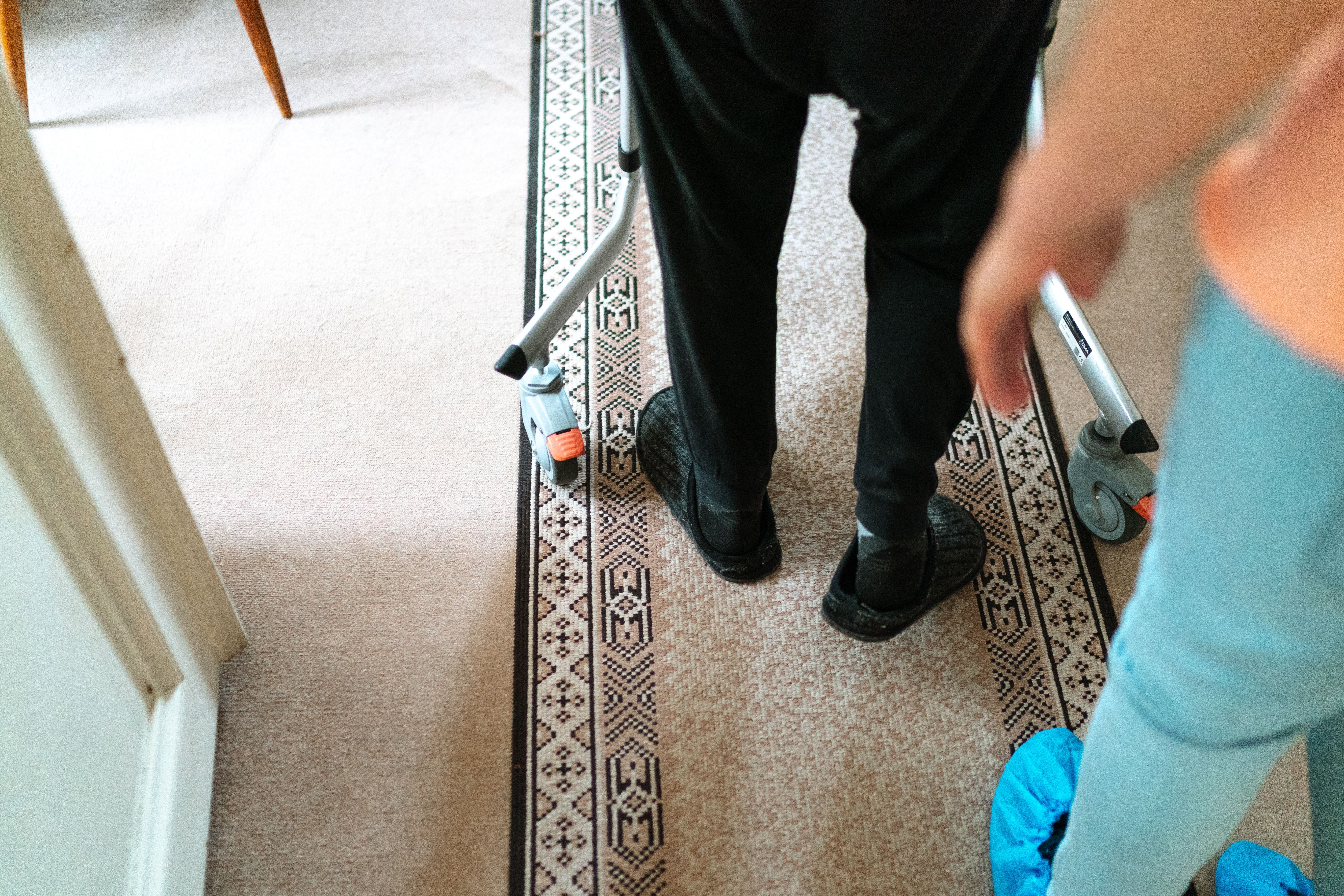
Most families do not discover neglect all at once. It shows up in small pieces: a call button that goes unanswered while you sit at the bedside, a water cup left out of reach since breakfast, a nurse who cannot tell you when your father last saw a doctor. Each detail seems minor on its own. Together, they can point to nursing home neglect in New Jersey, and they deserve a closer look.
If you have started to feel uneasy about the care your parent, spouse, or grandparent is receiving, that feeling matters. Nursing homes and hospice providers owe the people in their care a duty to keep them safe, clean, fed, and comfortable. When they fall short, the person who suffers is often the one least able to complain.
Team Law works with New Jersey families who need answers about a loved one’s care. To talk through your concerns in a free, confidential consultation, call 1-800-TEAM-LAW or send us a message through the online contact form on our website.
Nursing Home Neglect In New Jersey: Why Does It Happen In The First Place?
Neglect rarely starts with one careless person. More often, it grows out of how a facility is run. Too few aides on a shift, high staff turnover, rushed training, and weak supervision all make it harder for residents to get the attention they need.
Some facilities also cut costs in ways that directly affect care, such as stretching nurses across too many patients or delaying needed equipment. When a facility fails to do what a reasonably careful provider would do, and a resident is hurt as a result, that failure is neglect. Knowing this helps families see that the problem may be bigger than one bad shift.
Signs Of Elder Neglect: What Can You See, Hear, And Notice During A Visit?
You are in a unique position to spot trouble because you know what is normal for your loved one. Staff may see dozens of residents a day, but you notice when something is different. It helps to think about warning signs in three ways.
What You See
- Bedsores or skin breakdown: Red, open, or bandaged areas on the heels, hips, or tailbone
- Weight loss: Clothing that hangs loosely or a face that looks noticeably thinner
- Poor grooming: Unwashed hair, dirty nails, or the same clothing visit after visit
- Unexplained marks: Bruises, cuts, or swelling that staff cannot clearly account for
- Room conditions: Soiled linens, old food trays, or a call button left out of reach
Physical signs are often the easiest to document. A quick photo with the date can help later if questions arise.
What You Hear
- Long waits for help: Your loved one says no one came when they needed the bathroom
- Vague answers: Staff cannot say when medication was given or a doctor last visited
- Fearful comments: Your loved one seems nervous or quiet around certain caregivers
Pay attention to what your loved one says, even if memory problems make the details uncertain. Their comfort and safety come first, and a concern is worth raising even without every fact.
What You Notice Over Time
- Repeated falls: More than one fall with no change to the care plan afterward
- New confusion: Sudden disorientation that may signal dehydration, infection, or a medication error
- Frequent hospital trips: Emergency transfers for problems routine care should have prevented
- Disappearing items: Glasses, hearing aids, dentures, or cash that go missing again and again
Patterns tell a story that a single visit cannot. Keeping a simple notebook or notes on your phone makes it easier to see how things are changing week to week.
Nursing Home Abuse Vs. Neglect: Does The Difference Matter For Your Family?
Neglect is a failure to provide care. Abuse is harm done on purpose, whether physical, emotional, sexual, or financial. A resident who is left alone for hours has been neglected. A resident who is shoved, threatened, or overmedicated to keep them quiet has been abused.
In practice, the two often overlap in facilities with deeper problems. The good news is that you do not have to figure out which label fits before you ask for help. Both violate a resident’s rights, and both can support a legal claim when they cause harm.
Hospice Neglect In New Jersey: What Should End-Of-Life Care Look Like?
Hospice care can take place at home, in a nursing home, or in a dedicated hospice facility. Wherever it happens, the hospice team is expected to follow a written care plan, manage pain and symptoms, keep up with scheduled visits, and respond when the family calls for help.
Families are sometimes told that a patient’s suffering is simply part of dying. Some decline is expected at the end of life, but preventable pain and poor basic care are not. Warning signs of hospice neglect include:
- Uncontrolled pain: Grimacing, moaning, or restlessness the hospice team does not address
- Missed visits: Nurses or aides who skip appointments or arrive far later than promised
- Unanswered calls: No timely response when the family reaches out after hours
- Supply gaps: Medications, oxygen, or equipment that arrive late or not at all
When hospice is provided inside a nursing home, both the hospice agency and the facility share responsibility for the patient’s comfort. Gaps between the two are a common source of neglect, and they are worth questioning.
Questions To Ask Staff: How Can You Get Clear Answers About Your Loved One’s Care?
Asking direct questions can clear up misunderstandings or reveal a real problem. You have every right to ask, and a facility providing good care should be willing to answer.
- Ask about the care plan: Request a copy and find out when it was last updated
- Ask about staffing: Learn how many aides cover your loved one’s unit on each shift
- Ask about incidents: Request written details of any fall, injury, or hospital transfer
- Ask about medications: Find out what has changed recently and who approved it
Write down the name of each person you speak with, the date, and what they told you. If answers are unclear, you can request a care plan meeting with the nursing director and attending physician.
Reporting Nursing Home Neglect In NJ: What Steps Protect Your Loved One?
If your loved one is in immediate danger or needs urgent medical care, call 911 first. Once they are safe, the next step is putting your concerns on record. Send a written complaint to the facility administrator and keep a copy for yourself.
In New Jersey, you can also report concerns to the Office of the State Long-Term Care Ombudsman, which advocates for residents of long-term care facilities, and to the New Jersey Department of Health, which licenses and inspects nursing homes. These agencies can investigate, but they do not recover compensation for your family.
Keep every record you can, including photos, care plans, medication lists, bills, and emails with staff. Before you sign any release, settlement, or new agreement the facility offers, speak with an attorney so you understand what you may be giving up.
Legal Rights Of Nursing Home Residents: What Does New Jersey Law Guarantee?
New Jersey’s Nursing Home Residents’ Bill of Rights gives residents strong protections. These include the right to safe and adequate care, freedom from abuse and neglect, privacy and dignity, control over personal belongings, and the ability to complain without being punished for it.
When a facility violates these rights and a resident is harmed, the resident or family may bring a claim for medical bills, pain and suffering, and other losses. In many cases, New Jersey law also allows recovery of reasonable attorney fees, which helps level the playing field against large care companies.
More than one party may be responsible. Depending on the facts, a claim could involve the nursing home, its owners or management company, a hospice agency, a staffing agency, or individual caregivers. A careful review of records and staffing decisions often shows where the breakdown actually happened.
Statute Of Limitations For Nursing Home Neglect In NJ: How Much Time Does Your Family Have?
New Jersey generally gives injured residents two years to file a personal injury claim based on neglect. If neglect contributed to a loved one’s death, a wrongful death claim generally must be filed within two years of the date of death.
Certain facts can affect how these deadlines apply, so it is best not to wait. Records can be lost, staff move on, and memories fade. Reaching out early gives your attorney the best chance to gather evidence while it is still available.
Nursing Home Neglect Lawyer In New Jersey: Serving Families From Union County To Burlington County
Every family deserves a facility that treats their loved one with care, whether that facility sits along the Garden State Parkway in Monmouth County or in a quiet neighborhood in Burlington County. The same standards apply in every corner of the state.
Team Law helps families across New Jersey, with offices in communities including Clark, Perth Amboy, Summit, and Newark. We know how stressful it is to worry about a loved one’s care from a distance, and we are ready to help you take the next step.
Frequently Asked Questions About Nursing Home And Hospice Neglect In NJ
What should I do if I think my parent is being neglected in a New Jersey nursing home?
Make sure your parent is safe, document what you see, and put your concerns in writing to the facility. Then report the issue to state agencies and speak with an attorney about your options.
Who investigates nursing home complaints in New Jersey?
The Office of the State Long-Term Care Ombudsman and the New Jersey Department of Health both look into complaints. Their investigations are separate from any legal claim your family may bring.
Is it hospice neglect if my loved one is in pain?
Not always, but uncontrolled pain is a serious warning sign. Hospice teams are expected to manage pain and respond to symptoms, so ongoing suffering should be raised right away.
Can my family sue a hospice provider in New Jersey?
Yes. If a hospice agency failed to provide proper care and your loved one was harmed, your family may be able to bring a claim for compensation.
How much does it cost to speak with Team Law about a neglect case?
Your first consultation is free, and Team Law handles these cases on a contingency basis, so you pay no attorney fee unless we recover compensation for your family.
Speak With A New Jersey Elder Neglect Attorney At Team Law
You know your loved one better than anyone, and if something feels wrong, you deserve real answers. Our team can review what is happening, explain your family’s rights in plain language, and help you decide on a path forward.
To schedule a free, confidential consultation about nursing home or hospice neglect anywhere in New Jersey, call Team Law at 1-800-TEAM-LAW or reach out through the online contact form on our website.
Disclaimer: This blog is intended for informational purposes only and does not establish an attorney-client relationship. It should not be considered as legal advice. For personalized legal assistance, please consult our team directly.