CALL NOW
Spring rain and hydroplaning accidents: why early season storms lead to more crashes
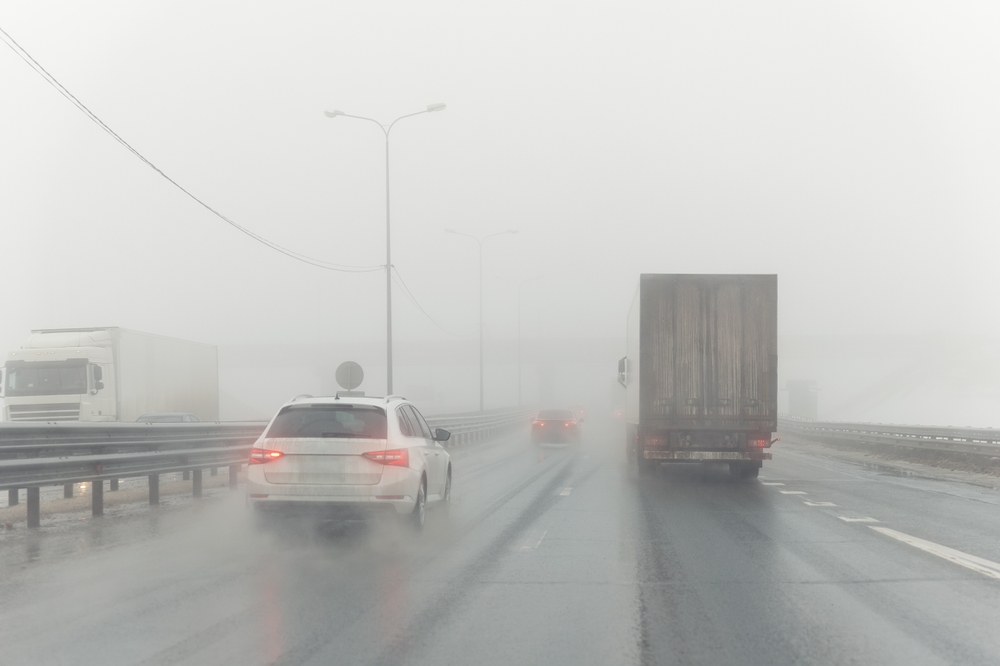
You do not need a huge storm to know when a drive starts feeling dangerous.
Sometimes it is just a quick spring rain on your way to work. The road looks darker. Cars start kicking up spray. Traffic on the Garden State Parkway slows for no clear reason. Somebody cuts across two lanes on Route 22 like the pavement is dry, and suddenly the whole drive feels tense. You are not overreacting. You are picking up on something real. Early season rain changes the road fast, and when drivers do not adjust, crashes happen.
If you were hurt in a rain-related crash, call us at 1-800-TEAM-LAW or fill out our online contact form to schedule a free case evaluation. Team Law handles New Jersey car accident cases and serves injured people from Newark, Elizabeth, and the surrounding areas.
Why Do The First Spring Storms Cause More Crashes?: How Wet Roads Catch Drivers Before They Adjust
There is something different about the first stretch of rainy spring driving. Drivers are used to their routine. They know the exit they take every morning. They know where traffic usually backs up near Newark, Elizabeth, Jersey City, or around the Pulaski Skyway. So when rain shows up, a lot of people keep driving the same way they did on a dry road.
That is where the problem starts.
The Federal Highway Administration reports that most weather-related crashes happen on wet pavement, and nearly half happen during rainfall. When the road is wet, traction drops, stopping takes longer, and visibility gets worse. That means the same lane change, same turn, or same stop that feels easy on a dry afternoon can become dangerous in a matter of seconds.
Spring rain can also hit after long stretches of dry driving. That can make the road surface feel slicker than people expect, especially when traffic is already heavy on the Turnpike, I-78, Route 1 and 9, or local roads feeding into commuter hubs.
What Is A Hydroplaning Accident?: Why Your Car Can Suddenly Feel Like It Is Floating
Hydroplaning is one of those things drivers hear about all the time, but a lot of people do not really think about it until it happens to them.
It happens when water builds up between your tires and the road, which causes your tires to lose contact with the pavement. Instead of gripping the road, your car starts gliding over the water. That is why the steering can suddenly feel loose, the brakes may not respond the way you expect, and the vehicle can drift even when you are trying to stay in your lane. Federal safety materials have long recognized that wet pavement can cause a complete loss of traction.
The scary part is how fast it can happen. One second your car feels normal. The next, it feels like it is not listening anymore.
Why Are Hydroplaning Accidents So Dangerous In New Jersey?: How Heavy Traffic Makes A Bad Moment Worse
Hydroplaning is dangerous anywhere. It is even worse in New Jersey because you are rarely on an empty road.
If your car loses traction near a toll plaza, an interchange, an exit ramp, or a packed commuter lane, there is usually no room to recover. A brief skid can turn into a rear-end collision, a spin into the barrier, or a chain-reaction crash involving several cars. That risk gets even higher on roads where drivers are already aggressive with speed, merging, and following distance.
Think about what that looks like in real life. You are driving through Union County on Route 22. Or you are heading toward Newark Liberty International Airport on Route 1 and 9. Or you are crawling along the Parkway and the car next to you suddenly throws a wall of spray across your windshield. In those moments, even a small loss of control can turn into a serious crash because traffic leaves you nowhere to go.
Why Do Drivers Lose Control In Spring Rain?: The Real Mistakes That Lead To Wet Road Accidents
A lot of rain crashes are blamed on the weather, but weather is usually not the whole story.
The real issue is often that someone failed to adjust to the conditions. A driver may have been:
- Going too fast for wet pavement
- Following too closely in stop-and-go traffic
- Driving on worn tires
- Braking too hard
- Changing lanes too aggressively
- Treating light rain like it did not matter
That last one is a big one. Drivers tend to take spring rain less seriously than snow, but wet roads still reduce traction and make crashes more likely. The Federal Highway Administration specifically warns that rain reduces traction, affects maneuverability, and can make traffic flow less predictable.
So yes, the rain matters. But so does the person behind the wheel.
How Can You Reduce Your Hydroplaning Risk?: What To Do Before And During A Rainy Commute
You cannot control what everybody else does, but you can make yourself harder to hit.
When the rain starts, do not wait for the road to feel dangerous before adjusting. Back off your speed early. Leave more room between your car and the one in front of you. Stay calm in curves and merge areas. Make sure your tires are in decent shape, because tire condition plays a major role in how your car handles standing water.
It also helps to check traffic and weather before you leave. New Jersey 511 gives drivers updates on crashes, congestion, construction, and weather conditions across the state, which can help you avoid trouble spots before you are stuck in them.
The goal is not to drive scared. It is to drive like the road has changed, because it has.
What Should You Do If Your Car Starts Hydroplaning?: How To React Without Making The Slide Worse
This is where a lot of drivers make things worse without meaning to.
The instinct is usually to slam the brakes or jerk the wheel. That can make the slide more violent. A better response is to ease off the accelerator and steer as smoothly as possible until the tires regain traction. Sudden movements can turn a brief hydroplane into a spinout.
Of course, even if you react the right way, another driver may still crash into you. That is why hydroplaning accidents often leave people with more than car damage. They can leave you with neck pain, back injuries, shoulder injuries, lost time from work, and a pile of questions about what comes next.
Similar Post: Exploring the High Risk of Rollover Accidents in New Jersey
What Should You Do After A Hydroplaning Crash In New Jersey?: How To Protect Your Claim If Another Driver Was Also Negligent
If the crash already happened, focus first on your health and your ability to document what really went wrong.
Call 911 if anyone is hurt. Get medical care as soon as possible if you are injured. Take photos of the vehicles, roadway, standing water, traffic conditions, and anything else that shows how the crash happened. Exchange information, but do not assume that hydroplaning automatically makes the accident your fault.
In New Jersey, drivers still have a duty to use reasonable caution in wet weather. That means slowing down, leaving enough following distance, avoiding aggressive lane changes, and adjusting to slick roads. If another driver was speeding, tailgating, braking too late, or otherwise driving carelessly in the rain, that driver may still be legally responsible for causing or contributing to the crash.
That is important because New Jersey follows a modified comparative negligence rule. In some hydroplaning accidents, fault may be shared. Even if your vehicle lost traction, you may still be able to recover compensation if another driver’s negligence played a role and your share of fault was not greater than theirs or the combined fault of all responsible parties. Any recovery, however, may be reduced by your percentage of fault.
Then start keeping track of everything the crash has cost you, including:
- Medical visits
- Prescription costs
- Time missed from work
- Repair bills
- Follow-up treatment
- Pain that gets worse over the next few days
This documentation can help support a claim for compensation for medical expenses, lost wages, property damage, and the ways the injury has affected your daily life. Rain may be part of the story, but it does not erase a driver’s responsibility to use caution. When another driver fails to do that and you get hurt, that failure may still form the basis of a personal injury claim.
Similar Post: You Pay For Car Insurance Every Month. But Would It Actually Protect You In A Serious Crash?
New Jersey Hydroplaning Accident Lawyer: How Team Law Can Help After A Rain Crash
A hydroplaning crash can shake up your whole week in one shot. Now you are dealing with pain, a wrecked car, insurance calls, and the stress of wondering whether this is going to become a much bigger problem.
That is where we come in.
At Team Law, we help injured people throughout New Jersey after serious car accidents. We know that a rain crash is not always just bad luck. Sometimes it happens because another driver was careless, impatient, or simply driving too fast for the road in front of them.
If you were hurt in a spring rain or hydroplaning accident in Clark, Highland Park, or elsewhere in New Jersey, do not brush it off and hope it sorts itself out. Call us at 1-800-TEAM-LAW or fill out our online contact form for a free consultation. We can talk through what happened, explain your options, and help you take the next step with a little more clarity and a lot less guesswork.
Disclaimer: This blog is intended for informational purposes only and does not establish an attorney-client relationship. It should not be considered as legal advice. For personalized legal assistance, please consult our team directly.