CALL NOW
What if your child suffers an eye injury in a new jersey car accident?
By Team Law, New Jersey Car Accident Lawyers
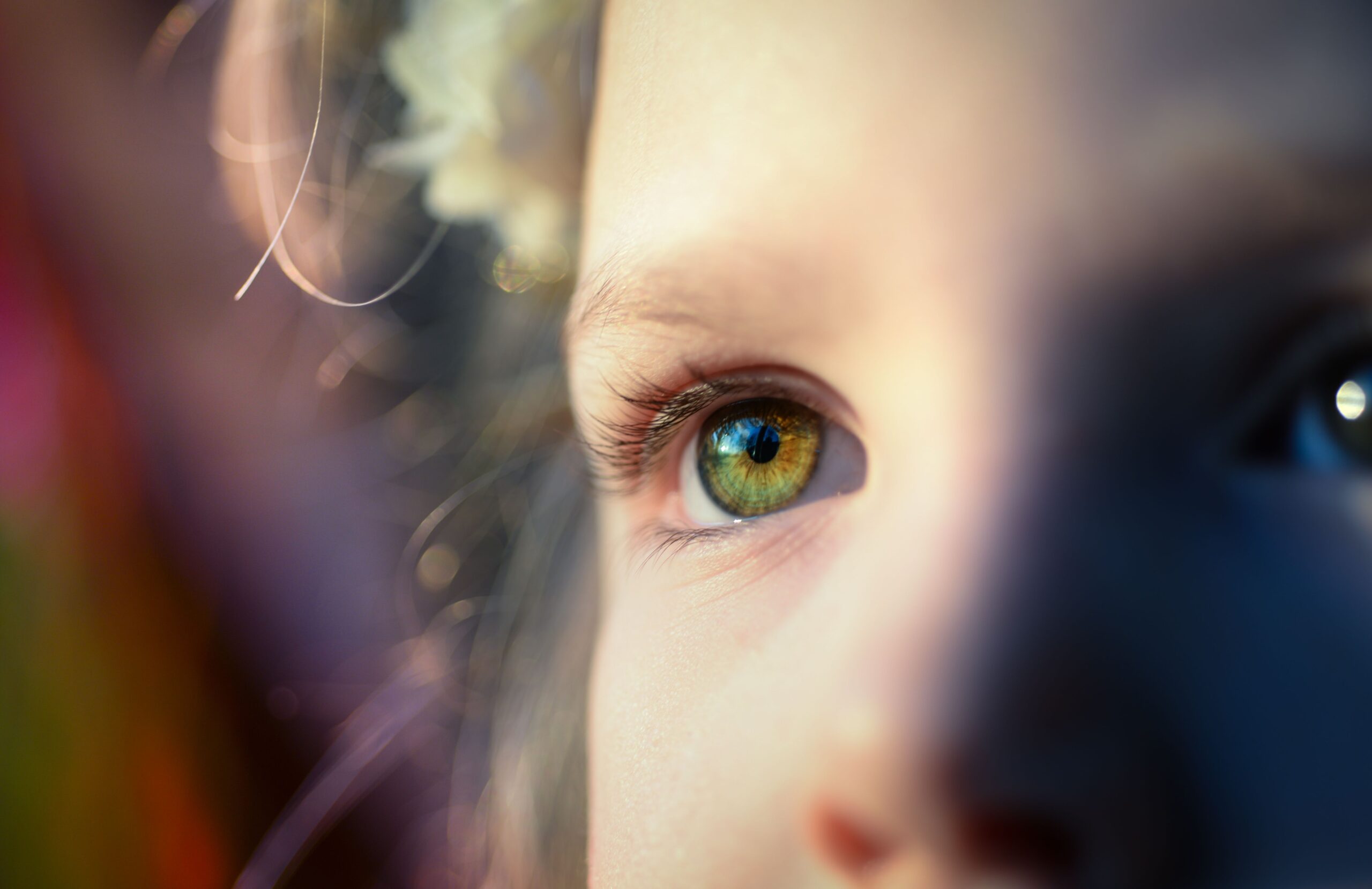
A crash can feel frightening enough when your child seems shaken but okay. However, when your child suffers an eye injury in a New Jersey car accident, the fear can grow quickly. Eye trauma can involve pain, swelling, blurred vision, sensitivity to light, bleeding, headaches, or changes your child may not know how to explain. Even worse, some eye injuries do not fully show up at the crash scene.
As a parent, you may feel pulled in several directions at once. You want answers from doctors. You want to understand what insurance should cover. You may also wonder whether the other driver, a rideshare company, a commercial driver, or another party can be held responsible. If your child suffered an eye injury in a crash anywhere in New Jersey, you can call Team Law at 1-800-TEAM-LAW or use the online contact form to request a free consultation.
Child Eye Injury After A New Jersey Car Accident: Why Parents Should Take It Seriously
A child’s eyes and face can suffer trauma in many ways during a collision. Airbags, shattered glass, loose objects, seatbacks, broken plastic, debris, chemical exposure, and sudden force can all cause serious harm. In some cases, the eye itself gets injured. In others, the bones, muscles, nerves, or soft tissue around the eye sustain damage.
Children also may struggle to describe what they feel. A young child may say their eye feels funny, their head hurts, or they do not want to open one eye. An older child may try to downplay symptoms because they feel scared, embarrassed, or overwhelmed.
Common signs may include:
- Blurred vision: Trouble seeing clearly from one or both eyes
- Eye pain: Discomfort that gets worse with movement, light, or blinking
- Swelling: Puffiness around the eyelid, brow, cheekbone, or socket
- Redness: Bloodshot appearance, visible bleeding, or irritation
- Light sensitivity: Squinting, covering the eye, or avoiding bright rooms
- Headaches: Pain near the forehead, temple, or behind the eyes
- Double vision: Seeing two images or struggling to focus
- Behavior changes: Crying, fatigue, dizziness, confusion, or unusual quietness
After a crash, medical care should come first. Even when an injury looks minor, a doctor can check for hidden trauma, retinal injuries, corneal damage, orbital fractures, or concussion-related vision problems.
New Jersey Car Accident Eye Injury Claims: What Makes A Child’s Case Different?
A child’s injury claim often looks different from an adult’s claim because the full impact may take time to understand. Vision affects school, reading, sports, screen use, balance, confidence, and daily independence. Therefore, parents should think beyond the first emergency room visit.
For example, a child with blurred vision may need follow-up care with an ophthalmologist. A child with eye muscle damage may need therapy, glasses, patching, medication, or surgery. Additionally, a facial injury near the eye can create scarring or long-term sensitivity.
A child’s case may include several types of harm, such as:
- Emergency treatment: Ambulance care, hospital treatment, imaging, stitches, or urgent eye care
- Follow-up appointments: Ophthalmology visits, pediatric visits, and specialist evaluations
- Vision correction: Glasses, contacts, protective lenses, or other vision aids
- Therapy needs: Vision therapy, occupational therapy, or school accommodations
- Pain and distress: Physical discomfort, fear, sleep disruption, or anxiety after the crash
- Activity limits: Missed sports, reduced screen time, school challenges, or social limitations
- Future care: Ongoing monitoring if doctors worry about lasting vision problems
Because children are still developing, parents should avoid assuming that one normal exam ends the issue. If symptoms continue, change, or return, follow-up care can protect both your child’s health and the claim record.
Who Pays for Your Child’s Eye Care After a New Jersey Crash?
New Jersey is a no-fault state, so medical bills after a car accident generally start with Personal Injury Protection, or PIP. PIP is part of New Jersey auto insurance, and it helps pay covered medical expenses regardless of who caused the crash.
For parents, that means treatment does not necessarily have to wait until insurers determine fault. Your child’s eye exams, imaging, specialist visits, and follow-up care may fall under available PIP coverage. However, determining which insurance coverage applies can depend on the circumstances of the crash.
Factors may include:
- Your family’s auto policy: A child who lives in your household may qualify for coverage through a household auto insurance policy even if the child was riding in another vehicle.
- Available insurance coverage: If no household auto policy applies, other insurance sources may need to be considered based on the circumstances.
- How your child was hurt: Different coverage rules may come into play when a vehicle injures a child who was walking or riding a bicycle.
- Your coverage choices: Your PIP limits, deductibles, and any election to make health insurance primary for auto-related medical expenses can affect how the bills are handled.
Still, PIP primarily addresses medical expenses and certain other economic losses. It does not ordinarily compensate an injured child for pain, emotional distress, scarring, or the broader effects that a lasting vision problem may have on school, activities, and daily life. Depending on the severity of the injury, the applicable insurance coverage, and New Jersey’s lawsuit-threshold rules, the child may also have a claim against the driver or another party responsible for the crash.
Serious Eye Injury In A New Jersey Crash: When Can Parents Consider A Liability Claim?
A liability claim focuses on fault. If another driver caused the crash by speeding, texting, running a red light, following too closely, failing to yield, driving drunk, or making an unsafe turn, that driver may be responsible for losses beyond basic medical benefits.
New Jersey also follows a comparative negligence rule, which means an injured person can still recover damages if their negligence was not greater than the negligence of the person or people they sue. However, any recovery may be reduced based on the percentage of fault assigned.
In a child injury case, fault issues can become complicated. Insurance companies may question where the child sat, whether the child used the right restraint, who drove the vehicle, how the crash happened, and whether symptoms came from the collision. Therefore, strong documentation matters.
Helpful evidence may include:
- Crash report: Police findings, driver information, roadway details, and witness names
- Medical records: Diagnosis, symptoms, treatment plans, referrals, and restrictions
- Photos: Vehicle damage, broken glass, child restraints, visible injuries, and road conditions
- Witness information: Statements from passengers, bystanders, school staff, or nearby drivers
- School records: Absences, nurse visits, reading issues, screen limits, or accommodation requests
- Insurance letters: PIP notices, claim numbers, denials, approvals, and requests for information
Because children cannot manage the legal process themselves, parents often need to act early to preserve evidence, coordinate benefits, and avoid insurance mistakes.
Eye Injury Symptoms After A Crash: What Should Parents Watch For At Home?
Some eye injuries appear immediately. Others become more obvious hours or days later. For that reason, parents should watch closely after any New Jersey car accident, especially if the child hit their face, had glass near them, sat close to an airbag, or complained about vision changes.
Parents should seek medical guidance quickly if a child reports or shows:
- New vision changes: Blurry vision, dark spots, floaters, flashes, or double vision
- Worsening pain: Eye pain, headache, facial pain, or pain with eye movement
- Visible damage: Cut eyelid, bleeding, swelling, bruising, or a misshapen pupil
- Light problems: Sensitivity to bright rooms, screens, sunlight, or headlights
- Balance issues: Dizziness, nausea, clumsiness, or trouble walking normally
- School struggles: Reading problems, trouble focusing, fatigue, or complaints during homework
- Emotional changes: Fear of riding in cars, nightmares, crying, or sudden irritability
These symptoms can affect more than the eye. A concussion, orbital fracture, nerve injury, or facial trauma can also cause vision-related complaints. Therefore, parents should tell doctors exactly how the crash happened and describe every symptom, even if it seems small.
Child Passenger Safety In New Jersey: Could Car Seats Or Seat Belts Affect The Claim?
Child restraint use can become part of the discussion after a crash, especially when the injured child is young. New Jersey’s child passenger restraint law generally requires children under age 8 and less than 57 inches tall to use an appropriate child restraint or booster seat, while younger and smaller children are subject to additional requirements. New Jersey also provides guidance on choosing restraints based on a child’s age, height, weight, and the manufacturer’s limits.
Proper restraints can reduce serious injuries, but they do not prevent every injury. A correctly restrained child can still suffer eye trauma from glass, impact forces, flying objects, or airbag-related debris. In fact, the CDC notes that motor vehicle injuries remain a leading cause of death among children in the United States, and thousands of child passengers suffer injuries each year.
Parents should not assume they have no case because an insurance adjuster asks about a car seat or booster seat. Instead, they should preserve the child restraint, take photos, and avoid throwing it away until the claim is reviewed. The restraint itself may help show crash forces, impact direction, and whether a product issue contributed to the injury.
New Jersey Minor Injury Claims: How Long Do Parents Have To Act?
New Jersey generally gives people two years to file a personal injury lawsuit. However, when the injured person is a child, that deadline usually does not begin running until the child turns 18. As a result, a child injured in a New Jersey car accident will often have until age 20 to file a personal injury claim.
Still, parents should not treat that extra time as a reason to wait. Evidence can disappear, witnesses can become harder to locate, and delays in medical treatment can make it more difficult to connect an eye injury to the crash. Because exceptions can affect the deadline in some cases, parents should speak with an attorney early rather than assume a particular date applies.
New Jersey Eye Injury Compensation: What Could A Child’s Claim Include?
A child’s eye injury claim may include both current and future losses. The value depends on the diagnosis, the treatment plan, the child’s recovery, the long-term outlook, available insurance, and fault evidence.
Potential damages may involve:
- Medical expenses: Emergency care, doctor visits, prescriptions, imaging, and procedures
- Future treatment: Follow-up eye care, surgery, monitoring, therapy, or corrective devices
- Pain and suffering: Physical pain, emotional distress, fear, and disruption to childhood routines
- Scarring or disfigurement: Visible facial injuries near the eye, eyelid, brow, or cheek
- Vision impairment: Reduced vision, light sensitivity, depth perception issues, or permanent loss
- School impact: Absences, tutoring needs, accommodations, and learning disruptions
- Family disruption: Transportation to appointments, missed work for parents, and added caregiving needs
A child’s case should account for the way an eye injury can change daily life. Reading, playing sports, riding in the car, using screens, and participating in school can all feel different after trauma.
What Parents Should Do After A Child Suffers An Eye Injury In A New Jersey Car Accident
After the immediate medical emergency, parents can take practical steps to protect the child’s health and potential claim.
First, keep every medical appointment. If a pediatrician recommends an eye doctor, schedule the visit as soon as possible. Next, save every document related to the crash, including discharge papers, prescriptions, insurance letters, and school notes.
Parents should also write down what they notice at home. A simple symptom journal can show how the injury affects the child over time. Include headaches, light sensitivity, reading problems, missed activities, emotional changes, and sleep disruptions.
Additionally, be careful with insurance calls. Adjusters may sound friendly, but they often look for statements that limit the claim. Before giving a recorded statement or signing broad medical authorizations, consider speaking with a New Jersey car accident lawyer.
FAQ About Child Eye Injuries After New Jersey Car Accidents
Can My Child Have An Eye Injury Even If There Is No Visible Cut?
Yes. A child can have vision changes, internal eye trauma, nerve issues, or concussion-related symptoms without an obvious cut. If your child complains about vision, pain, light sensitivity, or headaches, medical care matters.
What If My Child Says Their Vision Is Blurry Days After The Crash?
You should contact a doctor promptly. Delayed symptoms can still relate to the collision, especially after head, face, or eye trauma. Also, keep records of when the symptom started and how it affects school or daily activities.
Can Parents Bring A Claim For A Child’s Eye Injury In New Jersey?
Parents or guardians often help bring and manage claims involving injured children. Because minor claims can involve special timing, documentation, and settlement issues, parents should get guidance early.
Should I Save The Car Seat After A Crash?
Yes. If your child was in a car seat or booster seat, save it and take photos before moving or replacing anything. The seat may help show crash forces, impact points, or restraint-related issues.
Talk To Team Law About Your Child’s Eye Injury After A New Jersey Car Accident
When your child suffers an eye injury in a New Jersey car accident, you should not have to sort through medical bills, PIP questions, liability disputes, and insurance pressure alone. A child’s vision can affect school, sports, confidence, and daily life, so the claim should receive careful attention from the beginning.
Team Law helps injured children and families throughout New Jersey, including Newark, Jersey City, Edison, New Brunswick, Clark, Perth Amboy, and communities near the Garden State Parkway and New Jersey Turnpike. If your child suffered an eye injury in a crash, call Team Law at 1-800-TEAM-LAW or complete the online contact form to request a free consultation.
Disclaimer: This blog is intended for informational purposes only and does not establish an attorney-client relationship. It should not be considered as legal advice. For personalized legal assistance, please consult our team directly.