CALL NOW
Summer safety tips: what is nonfatal drowning and what should new jersey parents know?
By the Personal Injury Attorneys at Team Law | New Jersey Pool Safety and Nonfatal Drowning
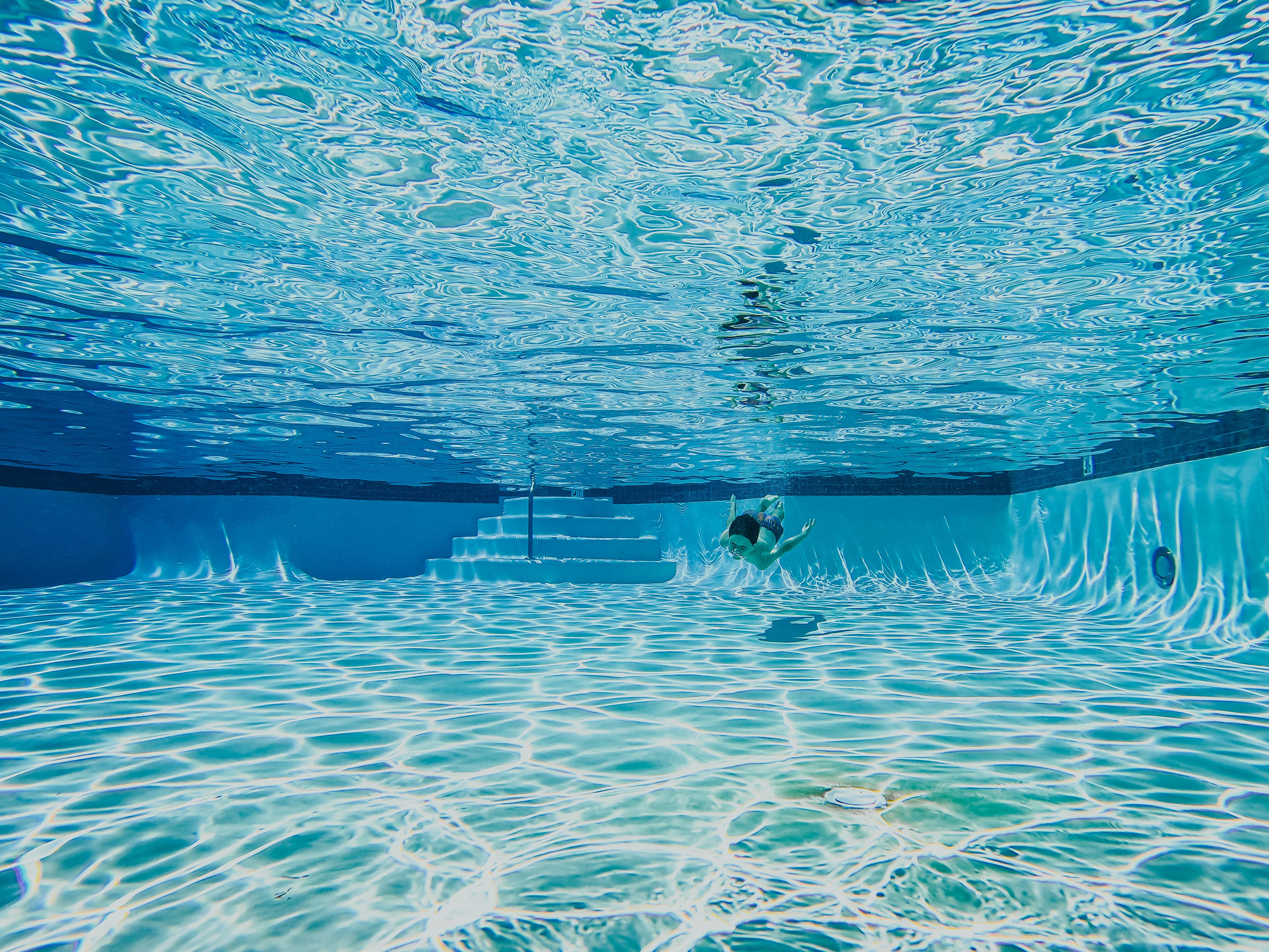
Summer in New Jersey means long afternoons at the shore, backyard pools, and water parks from the Shore towns to Bergen County. It also means that parents and caregivers need to stay alert to a danger most people have never heard of: nonfatal drowning. If your child inhaled water while swimming and seemed fine afterward, you may feel like the scare is over. But nonfatal drowning can develop hours after a child leaves the water, and knowing the warning signs could save a life.
At Team Law, our personal injury attorneys have spent years helping families across New Jersey navigate the aftermath of preventable accidents. If your child was hurt at a pool, water park, or recreational facility due to someone else’s negligence, we want to help you understand your options. Call us today at 1-800-TEAM-LAW or reach out through our online contact form to schedule a free consultation.
Nonfatal Drowning in New Jersey: What Is It and Why Does It Happen?
Nonfatal drowning, sometimes called dry drowning (though that term is now considered outdated), occurs when a person inhales a small amount of water into the lungs. Unlike a traditional drowning event, the person does not stop breathing in the moment. They walk away from the pool seemingly unharmed. What happens next, however, can be life-threatening.
When water enters the lungs, even in a small amount, it triggers an inflammatory response. The lung tissue begins to swell, reducing the body’s ability to absorb oxygen from the air. As oxygen levels in the blood drop, the heart begins to slow. Left untreated, this cascade of events can progress to pulmonary edema, respiratory failure, and cardiac arrest.
Nonfatal drowning can result from any situation in which a swimmer inhales water, including a drowning incident, a wave at the beach, an awkward entry off a water slide, or even an unexpected submersion in a backyard pool. Children are especially vulnerable because they are less likely to recognize or report how they feel, and symptoms can be easy to miss when a child is simply tired after a fun day in the sun.
Nonfatal drowning complications are serious, even if they are not common. According to the American Red Cross, an estimated 4,000 people die from unintentional drowning in the United States each year, with twice as many experiencing nonfatal drowning incidents. Because most families are unaware of the risks until something goes wrong, knowing the warning signs and acting quickly is critical.
Warning Signs After Swimming: What Symptoms Should Parents Watch For?
The symptoms of nonfatal drowning can appear anywhere from one to 24 hours after a swimmer inhales water. Because this window is so wide, and because children often seem perfectly fine immediately after leaving the pool, parents and caregivers need to know what to look for throughout the rest of the day and into the evening.
Watch for the following symptoms:
- Persistent coughing: A cough that does not resolve or gets worse over time after leaving the water
- Chest pain or tightness: Any complaint of pressure, discomfort, or trouble taking a deep breath
- Unusual fatigue or lethargy: Extreme tiredness beyond what you would expect after normal physical activity
- Fever: An elevated body temperature that develops in the hours following a swim
- Shortness of breath: Labored breathing, rapid breathing, or visible difficulty catching a breath
- Changes in behavior: Unusual irritability, confusion, or difficulty staying awake in a child who was recently active
If two or more of these symptoms appear together or worsen over time, you should seek emergency medical attention immediately. Do not wait to see if the child improves on their own.
When caught early, nonfatal drowning is treatable. Medical providers will administer oxygen, monitor blood oxygen levels, and remove excess fluid from the lungs. Delaying care significantly increases the risk of serious complications.
Chemical Pneumonitis: An Additional Risk in Chlorinated Pools
Parents should also be aware of a related condition known as chemical pneumonitis. When a swimmer inhales pool water, they are not just inhaling water; they are inhaling water that contains chlorine and other treatment chemicals. These substances can irritate the lung lining and trigger an inflammatory response similar to nonfatal drowning.
Chemical pneumonitis shares many of the same symptoms: coughing, chest pain, shortness of breath, and fatigue. Treatment is also similar, focusing on oxygen support and reducing inflammation. If your child inhaled water at a pool and develops any respiratory symptoms, the presence of pool chemicals makes it even more important to seek prompt evaluation.
This is particularly relevant for swimming pools that are improperly maintained. Pools with imbalanced chemical levels can pose additional hazards. If your child was hurt at a commercial pool, water park, or community facility in South Jersey, North Jersey, or anywhere in the state, improper maintenance may have played a role.
Practical Steps: What Should You Do If Your Child Inhaled Water?
If you witnessed your child inhale water while swimming, do not assume that everything is fine simply because they appear normal right away. Here is how to respond:
- Stay calm and observe: Keep your child close and monitor them carefully for the rest of the day and evening
- Watch for symptoms: Check in regularly for coughing, breathing changes, fatigue, or fever
- Do not dismiss complaints: If your child says their chest hurts or they are tired, take it seriously even if it has been several hours since they were in the water
- Go to the emergency room immediately: If any combination of symptoms appears or worsens, do not call a pediatrician’s after-hours line and wait; go directly to an emergency room
- Tell the medical team what happened: Let the provider know that your child inhaled water and approximately when it occurred so they can assess for nonfatal drowning or chemical pneumonitis
Trust your instincts. Parents know their children. If something does not feel right, acting quickly is always the right choice.
Pool Safety in New Jersey: What Can Families Do to Reduce the Risk?
Preventing nonfatal drowning starts with minimizing the situations in which a child inhales water in the first place. Strong pool safety habits reduce risk across the board, whether your family is spending the day at a community pool in Camden County, a water park near the Jersey Shore, or a neighbor’s backyard in Bergen County.
Some foundational safety practices include:
- Active supervision: Designate a dedicated water watcher who is not distracted by a phone, conversation, or other activity. Supervision should never be passive.
- Swimming lessons: Enroll children in age-appropriate swimming instruction. Children who are comfortable in the water are less likely to panic and inhale water during an unexpected submersion.
- CPR training: Adults who spend time around pools should be trained in CPR. The American Red Cross and many local organizations in New Jersey offer courses year-round.
- Pool rules: Enforce no-running and no-diving rules in shallow areas. Many injuries that lead to water inhalation begin with a preventable fall or collision.
- Proper chemical maintenance: If you have a home pool, test the water chemistry regularly. Poorly maintained water increases the risk of respiratory irritation.
If your family is visiting a commercial pool or water park in New Jersey, the facility has a legal obligation to maintain safe conditions. Broken equipment, poor chemical balance, inadequate lifeguard staffing, and dangerous design can all contribute to accidents.
When Someone Else Is Responsible: Pool Accidents and Personal Injury Claims in New Jersey
Not every pool accident is preventable by the family involved. Sometimes a child inhales water or suffers a near-drowning because a pool facility failed to meet its duty of care. New Jersey premises liability law requires property owners, including commercial pool operators, municipalities, and private homeowners, to keep their properties reasonably safe for visitors.
If a child was injured at a pool in Trenton, Newark, or anywhere along the Garden State Parkway corridor because of inadequate supervision, defective equipment, or an unsafe environment, the property owner may be legally responsible for the harm that followed.
In New Jersey, personal injury claims are subject to a two-year statute of limitations. This means that a lawsuit must generally be filed within two years of the date of injury. Waiting too long to take action can eliminate your right to seek compensation entirely.
If your child suffered a pool-related injury due to someone else’s negligence, speaking with a personal injury attorney as soon as possible gives you the best chance to preserve evidence, gather witness accounts, and understand your legal options.
New Jersey Pool Accident Attorney: What Questions Should Families Ask?
FAQ
How long after swimming can nonfatal drowning occur? Symptoms can appear anywhere from one to 24 hours after a swimmer inhales water. This is why monitoring your child for the full day and evening following any water incident is so important, even if they seem completely fine after leaving the pool.
Can nonfatal drowning happen in a backyard pool in New Jersey? Yes. Nonfata drowning can occur in any body of water, including backyard pools, community pools, lakes, and the ocean. The size of the pool or the depth of the water is not a factor. Any situation in which a child inhales water carries some risk.
What should I do if my child was hurt at a public pool in New Jersey? Document the incident as thoroughly as possible. Take photos, gather the names of any witnesses or staff, and request a copy of any incident report filed by the facility. Then seek medical attention immediately. If you believe the injury was caused by negligence on the part of the facility, contact an attorney to discuss your options.
Can I file a lawsuit if my child develops nonfatal drowning at a pool? If another party’s negligence contributed to the incident, such as a pool with insufficient lifeguard coverage, faulty equipment, or unsafe conditions, you may have grounds for a personal injury claim. New Jersey’s premises liability laws apply to pool operators and property owners who fail to provide a safe environment. An experienced personal injury attorney can help you evaluate the facts of your situation.
Contact Team Law: New Jersey Personal Injury Attorneys Here to Help
Nonfatal drowning is a frightening reality that too many families only learn about after a crisis. Understanding the risk, recognizing the warning signs, and acting quickly can make all the difference for your child.
If your family has been affected by a pool accident in New Jersey and you believe another party’s negligence played a role, Team Law is here to help. Our personal injury attorneys have years of experience handling premises liability and pool accident cases throughout New Jersey, from Bergen County to South Jersey and everywhere in between. We are committed to helping families get the answers and the support they deserve.
Call us today at 1-800-TEAM-LAW or contact us through our online contact form to schedule your free consultation. You do not have to navigate this alone.
Disclaimer: This blog is intended for informational purposes only and does not establish an attorney-client relationship. It should not be considered as legal advice. For personalized legal assistance, please consult our team directly.