CALL NOW
Trench safety in nj: what happens when construction safety violations lead to serious injuries?
By Team Law | New Jersey Construction Accident Lawyers
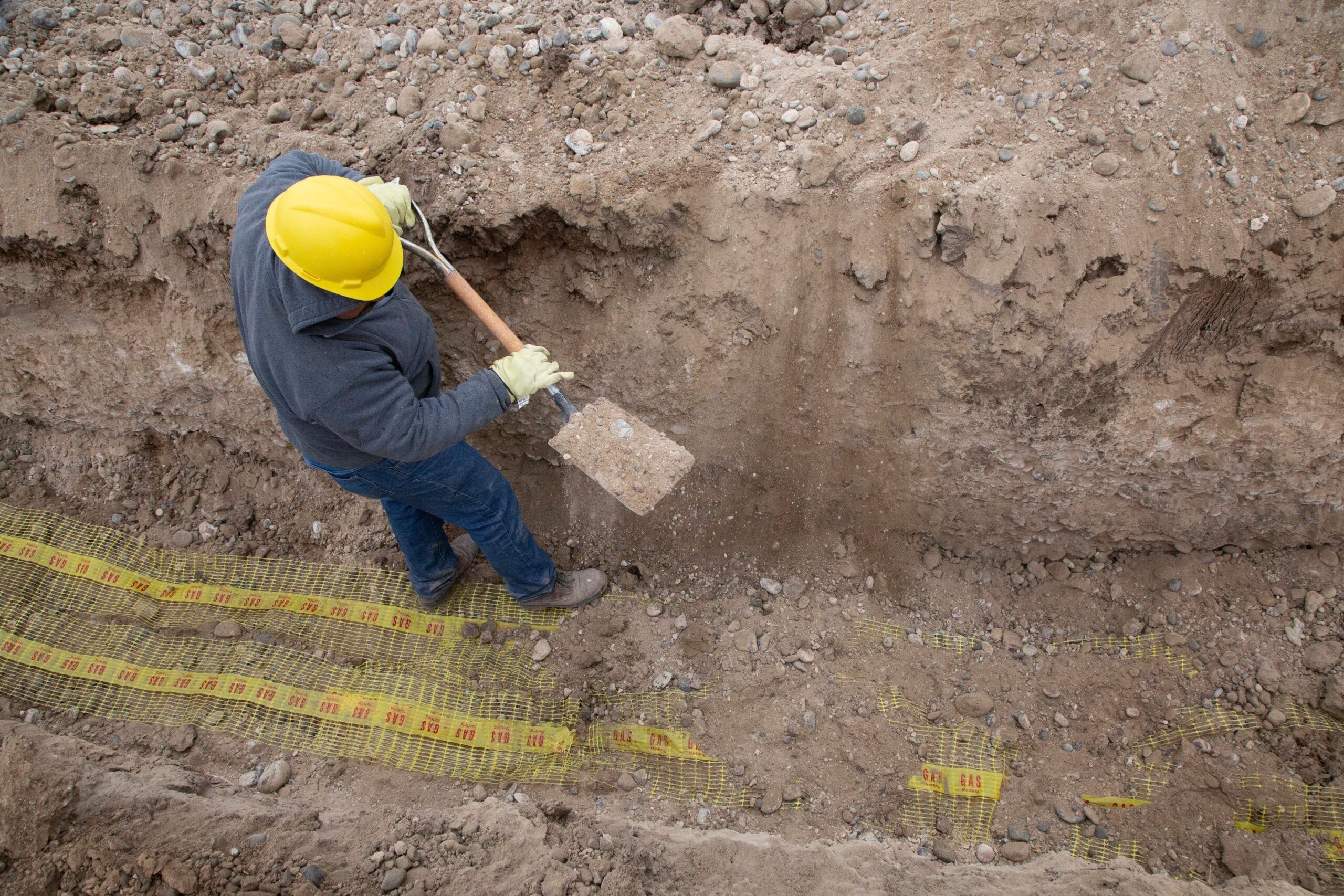
Construction work already carries risks, but trench work can turn dangerous in seconds when someone ignores basic safety rules. If you or someone you love suffered an injury because of poor trench safety in NJ, you may feel overwhelmed, frustrated, and unsure where to turn next. A trench collapse, cave-in, falling debris incident, or unsafe excavation can leave a worker with crushing injuries, spinal trauma, broken bones, brain injuries, or even life-threatening complications.
June is also an important time to talk about trench safety because national safety organizations use this month to raise awareness about excavation hazards. However, awareness alone does not help after a worker has already been hurt. At that point, you need clear answers about medical care, workers’ compensation, possible third-party claims, and the steps that can protect your rights.
If you were injured in a trench accident in New Jersey, Team Law can help you understand your options. Call 1-800-TEAM-LAW or fill out the online contact form to schedule a free consultation and talk through what happened.
Trench Safety In NJ: Why Are Excavation Accidents So Dangerous?
Trenches may look controlled from above, but they can become unstable quickly. Soil can shift because of weather, vibration, nearby traffic, poor drainage, underground utilities, or inadequate support. Even a trench that appears shallow can trap or crush a worker when the walls give way.
A trench accident can involve more than a simple fall. Many serious excavation injuries happen because of:
- Cave-ins: Collapsing soil can bury, crush, or suffocate a worker
- Falling materials: Tools, pipes, rocks, or equipment can strike workers inside the trench
- Unsafe exits: Workers may not have a ladder, ramp, or safe way to escape quickly
- Hazardous atmospheres: Gas, low oxygen, or toxic exposure can cause sudden illness or death
- Water accumulation: Standing or rushing water can weaken trench walls and increase collapse risks
- Nearby equipment: Heavy machinery can destabilize soil or strike workers near the excavation
These hazards can appear on construction sites across Newark, Jersey City, Plainfield, Clark, and other parts of New Jersey. Therefore, contractors, subcontractors, property owners, and site supervisors must treat trench safety as a daily responsibility, not a box to check after something goes wrong.
Similar Post: Warmer Weather, Busier Job Sites: Understanding Construction Injury Risks In Spring
Construction Safety Violations In NJ: What Rules Protect Workers In Trenches?
Federal OSHA excavation rules require protective systems for many trenches. In general, workers in excavations need protection from cave-ins unless the excavation is made entirely in stable rock or is less than five feet deep and a competent person finds no indication of a cave-in hazard.
Protective systems may include trench boxes, shielding, shoring, sloping, or benching. The right method depends on the depth of the trench, soil conditions, nearby structures, water, vibration, and other site-specific risks.
OSHA rules also focus on inspections. A competent person should inspect the excavation, nearby areas, and protective systems before work begins and as conditions change. For example, rain, freezing and thawing, traffic on a nearby roadway, or heavy equipment movement can all affect trench stability.
In practical terms, a safe trench worksite should include:
- Protective systems: Proper shoring, shielding, sloping, benching, or trench boxes when required
- Safe access: Ladders, ramps, or other exits placed so workers can leave quickly
- Daily inspections: Competent person reviews before work starts and after changing conditions
- Spoil pile control: Excavated soil and materials kept away from the trench edge
- Utility precautions: Planning around gas, electric, water, sewer, and communication lines
- Hazard monitoring: Checks for water, unstable soil, fumes, low oxygen, or other dangers
When a company skips these steps, the consequences can be devastating. More importantly, a safety violation may help show that an injury did not happen by chance. It may point to preventable decisions, rushed work, poor planning, or ignored warnings.
Trench Collapse Injuries In New Jersey: Who May Be Responsible?
After a trench accident, many injured workers assume workers’ compensation is their only option. Workers’ compensation often plays a major role because it can cover medical care and partial wage replacement after a job-related injury. However, trench accident cases can involve more than one legal path.
In New Jersey, Workers’ Compensation generally prevents an injured employee from suing their direct employer for ordinary negligence. Still, that does not always end the conversation. Many construction sites involve several companies working at the same time. A subcontractor, general contractor, equipment company, engineer, property owner, utility contractor, or another third party may have contributed to the unsafe condition.
For example, a third-party claim may become possible if:
- A subcontractor created the hazard: Another company dug, supported, inspected, or controlled the trench
- A general contractor ignored site safety: The company overseeing the project failed to coordinate safety measures
- A property owner knew about danger: The owner failed to address unsafe worksite conditions
- Equipment failed: A trench box, ladder, excavator, pump, or support device did not work properly
- A utility contractor caused instability: Nearby underground work or utility activity increased collapse risks
These claims matter because workers’ compensation may not fully cover every loss. A personal injury claim against a negligent third party may allow an injured worker to seek compensation for pain and suffering, full lost income impact, loss of future earning ability, and other damages that Workers’ Compensation may not fully address.
Workers’ Compensation For Trench Accidents: What Benefits May Be Available?
If you suffered a trench injury while working in New Jersey, Workers’ Compensation may cover necessary medical treatment related to the job injury. It may also provide temporary disability benefits if you cannot work while recovering. Additionally,partial permanent or total permanent disability benefits may apply if the injury leaves lasting physical limitations.
These benefits can help after severe construction injuries, including:
- Crush injuries: Damage caused by collapsing soil, debris, equipment, or materials
- Spinal injuries: Back, neck, nerve, or paralysis-related trauma
- Head injuries: Concussions, traumatic brain injuries, or skull fractures
- Orthopedic injuries: Broken bones, torn ligaments, joint damage, or amputations
- Respiratory injuries: Harm from suffocation, low oxygen, toxic fumes, or dust exposure
However, Workers’ Compensation claims can become difficult when an insurer questions whether the injury happened at work, disputes the treatment plan, delays approval, or pushes a worker back to work before they are ready. That can put you in a difficult position, especially when medical bills, missed paychecks, and physical pain all arrive at the same time.
Because trench accidents often cause serious injuries, you should report the injury immediately, follow medical instructions, keep copies of paperwork, and document every missed workday. These steps can help protect your claim and create a clearer record of what happened.
Third-Party Construction Injury Claims In NJ: When Can You File A Lawsuit?
A third-party construction injury claim focuses on someone other than your direct employer. On a large construction project, that distinction matters. A trench may involve a general contractor, excavation contractor, plumbing contractor, road crew, site engineer, safety consultant, property owner, or equipment supplier.
A third-party case may examine questions such as:
- Who controlled the trench area?
- Who directed the excavation work?
- Who supplied the protective system?
- Who inspected the trench before workers entered?
- Who placed soil, equipment, or materials near the trench edge?
- Who knew about unsafe soil, water, vibration, or utility issues?
- Who had authority to stop unsafe work?
These questions can uncover whether someone outside your direct employer failed to act safely. For instance, if a general contractor pushed crews to continue digging despite unstable conditions, that decision may become important. Likewise, if another subcontractor removed protective equipment or left the trench unsupported, that conduct may affect liability.
New Jersey generally gives injured people two years to file a personal injury lawsuit. However, some cases have shorter notice requirements, especially if a public entity may be involved. Roadwork, public utility work, municipal projects, or government-owned property can trigger different rules, requiring Notice in as little as 90 days in order to protect your right to pursue a claim. Therefore, it helps to get guidance immediately instead of waiting until evidence disappears or deadlines pass.
Serious Trench Injuries In NJ: What Evidence Can Help Your Case?
Evidence can change quickly after a construction accident. A trench may be filled, equipment may move, weather may alter the scene, and companies may resume work. As a result, documentation can become one of the most important parts of a trench injury claim.
Useful evidence may include:
- Photos and videos: Images of the trench, soil piles, ladders, equipment, water, and protective systems
- Incident reports: Employer reports, site safety reports, police reports, or emergency response records
- Witness information: Names and contact details for coworkers, supervisors, contractors, or bystanders
- Medical records: Emergency care, diagnostic imaging, surgeries, therapy, and follow-up treatment
- Worksite documents: Safety plans, inspection logs, permits, training records, and excavation plans
- OSHA information: Inspection records, citations, violation findings, or related safety documentation
You do not need to gather everything by yourself, especially while you are hurt. Still, if you can safely preserve photos, names, paperwork, and messages, those details may help later. Also, avoid posting about the accident on social media because insurers and opposing parties may look for ways to use your words against you.
New Jersey Construction Sites: Why Local Conditions Can Increase Trench Risks
New Jersey construction crews work in busy, varied environments. A trench in a quiet residential area may raise different safety concerns than a trench near Route 1, the New Jersey Turnpike, the Garden State Parkway, or a crowded downtown work zone. Traffic vibration, limited space, nearby buildings, underground utilities, and weather can all affect excavation safety.
In dense areas like Jersey City, Newark, Elizabeth, and Union City, crews often work near sidewalks, streets, commercial buildings, and utility lines. In other places, such as Middlesex County, Essex County, Hudson County, and Union County, residential construction, road repairs, sewer work, and utility upgrades can place workers in trenches around active neighborhoods.
Because conditions vary, site safety cannot rely on assumptions. The people in charge must evaluate the trench, the soil, the location, the weather, and the work being performed. When they fail to do that, workers may pay the price.
Trench Safety Stand Down In June: Why Timing Matters For Injured Workers
June brings renewed attention to trench safety because Trench Safety Stand Down events encourage employers to talk with workers about excavation hazards and protective systems. That timing matters because trench accidents remain preventable when companies follow the rules, inspect worksites, and give workers the protection they need.
However, a safety campaign does not erase what happens after a violation. If a company failed to provide a trench box, ignored unstable soil, skipped inspections, placed materials too close to the trench edge, or left workers without a safe exit, the injured worker should not have to carry the consequences alone.
For workers and families, June can be a good time to ask direct questions:
- Was the trench properly protected?
- Did a competent person inspect it?
- Were workers trained on excavation hazards?
- Did supervisors know the trench was unsafe?
- Did another contractor contribute to the hazard?
- Did the injury involve a public project or utility work?
The answers may help determine whether you have a Workers’ Compensation claim, a third-party injury claim, or both.
Trench Accident FAQs In NJ
What Should I Do First After A Trench Accident In New Jersey?
Report the claim to your employer immediately, request medical care right away if you are injured, and document what you can. If possible, save photos, witness names, accident reports, and medical paperwork. Then, speak with a New Jersey construction accident lawyer before giving broad statements to insurance companies.
Can I Sue My Employer After A Trench Injury In NJ?
In most New Jersey workplace injury cases, Workers’ Compensation generally prevents you from suing your direct employer for negligence. However, you may still have a third-party claim if another company, contractor, property owner, equipment provider, or other party contributed to the accident.
Does Workers’ Compensation Cover Trench Collapse Injuries?
Workers’ Compensation may cover medical treatment, temporary disability benefits, and permanent or partial permanent disability benefits after a job-related trench injury. However, disputes can happen over treatment, disability level, work status, or whether the injury relates to the job.
What If An OSHA Violation Caused My Construction Injury?
An OSHA violation may support the argument that unsafe conduct caused or contributed to your injury. While OSHA does not directly recover compensation for you, inspection records and safety findings may become important evidence in a workers’ compensllll as sex matter or third-party injury claim.
How Long Do I Have To File A Trench Injury Claim In New Jersey?
New Jersey generally gives you two years to file a personal injury lawsuit, but Workers ‘ Compensation and public entity claims may involve different deadlines or notice rules. Because construction cases can involve several parties, you should review your options and filing and/or Notice of Claim deadlines as soon as possible.
Hurt Because Of Poor Trench Safety In NJ? Contact Team Law Today
A trench accident can change your health, your income, and your family’s future in a moment. Even so, you do not have to sort through Workers’ Compensation forms, insurance calls, medical disputes, and possible third-party claims on your own. The sooner you understand what happened and who may be responsible, the sooner you can make informed choices about your next steps.
Team Law helps injured workers and families across New Jersey after serious construction accidents, including trench collapses, excavation injuries, unsafe worksite incidents, and third-party construction claims. If you were hurt because of poor trench safety in NJ, call 1-800-TEAM-LAW or fill out the online contact form to schedule a free consultation.
Disclaimer: This blog is intended for informational purposes only and does not establish an attorney-client relationship. It should not be considered as legal advice. For personalized legal assistance, please consult our team directly.